Your partner is on the couch beside you, the house is quiet, and somewhere in you there’s a flicker of wanting to reach over and touch them. You notice it, and then something inside you shuts the door. Your chest tightens, your mind jumps to the dishes, and the moment passes like it always does. Later you lie in bed wondering what is wrong with you, because you love this person and you do want them, so why can you never be the one to start it.
We hear this from so many women in our counselling rooms. They can tell us sex is okay once it gets going, sometimes even good. They can say yes, but what they can’t do is go first. Most of them have spent years deciding it means they’re frigid or just not a sexual person.
If you experienced childhood sexual abuse, it’s neither of those things – the parts of you that would need to show up for you to initiate sex, they were the exact parts of you that got hurt.
Wanting sex after sexual trauma feels like a confession
A lot of abusers tell children “you wanted this” or “you liked it”, or some other version that sounds like that. Sometimes a child’s body responded physically during the abuse, that happens because bodies respond to touch automatically, it has nothing to do with wanting or agreeing to anything, but a child doesn’t know that, so she carries it, often in total silence, as proof that it was somehow her fault.
Decades later, when that little flicker of wanting shows up, it can set off the same old fear. “If I want this now, maybe I wanted it then.” Starting sex means owning that you want it, out loud, in front of someone. When your partner starts it, the wanting belongs to them and you get to stay safe. Makes sense, yeah?
That’s why so many women can enjoy sex once it’s happening and still freeze at the very beginning.
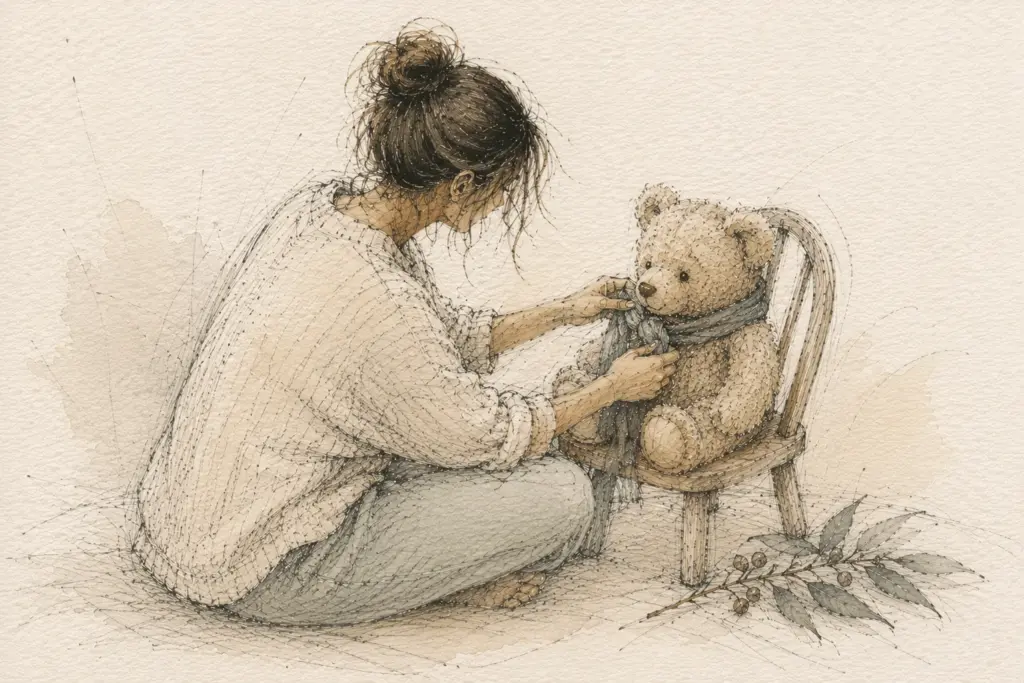
The one who started it was the one who hurt you
When you were small, the person who began sex was the person who took something from you. So being the one who reaches out can feel uncomfortably close to being like them. I hear women say things like “I don’t want to push myself on him” or “it feels a bit predatory to make the first move.” That’s not you being shy, it’s a part of you making very sure you never become the person who did that to you.
Good girls don’t ask for sex
Now add the world you grew up in – Gen X girls were raised on stranger danger while the danger was often at the dinner table. Nobody talked to you about consent or pleasure. The rule was never said out loud but everyone knew it, men start it and good girls wait, and if you wanted sex, that made you a slut.
So the culture and the childhood sexual abuse told you the same thing. Sex is not for you, stay still and let it happen to you. It’s no wonder initiating feels like breaking a rule you never agreed to in the first place.
Waiting for your partner to initiate is the worst thing
A lot of sexual trauma survivors got through the abuse by drifting away from their bodies once it started. That skill often comes along into adult sex. You go a little bit elsewhere and it’s manageable.
Starting sex doesn’t let you do that. It asks you to be right here, in the build up, noticing what you want and moving toward it. For many women the build up was the most frightening part as a child, the knowing it was coming. So of course your body slams the brakes on in that exact spot. Your body goes, nope, seen this movie, not doing it again.
It’s also really hard to act on wanting when you’ve spent years not being able to feel much in your body at all. A lot of women we work with honestly can’t tell whether they want sex or not, the signal is that faint, and all of this? It’s entirely avoidable.
Parts of you are saying no
This is where parts work makes so much sense. There may be a grown woman part of you who genuinely wants to reach for her partner, but she isn’t the only one in there. Protective parts decided long ago that you’ll never be the one to put yourself out there, because waiting is safer. Young parts still experience any adult moving toward sex as dangerous, even when that adult is you. Sometimes a part steps in and you suddenly have a headache or find yourself picking a fight about the bins.
This isn’t about lacking in desire, it’s your system looking after the youngest, most scared parts of you in the only way it knows how.
Asking for it means you could hear no
When the people who were supposed to keep you okay were the ones who hurt you, moving toward closeness sets off alarm bells. Starting sex also means risking a no. For most people “not tonight” is just a scheduling thing. For a survivor it can feel like proof you’re unwanted or dirty. The simplest way to never hear it is to never ask.
What we do to help you ask for what you want
This is not about fixing you, it’s about understanding why this makes so much sense, and then slowly giving you back something that was taken before you knew it was yours.
In EMDR (for childhood sexual trauma) we work with the memories where your body or your wanting was used against you, and with beliefs like “if I want it, it’s my fault.” In parts work we get curious about the parts saying no, what they’re scared of and what they need before they’d let you try. Nobody gets dragged anywhere.
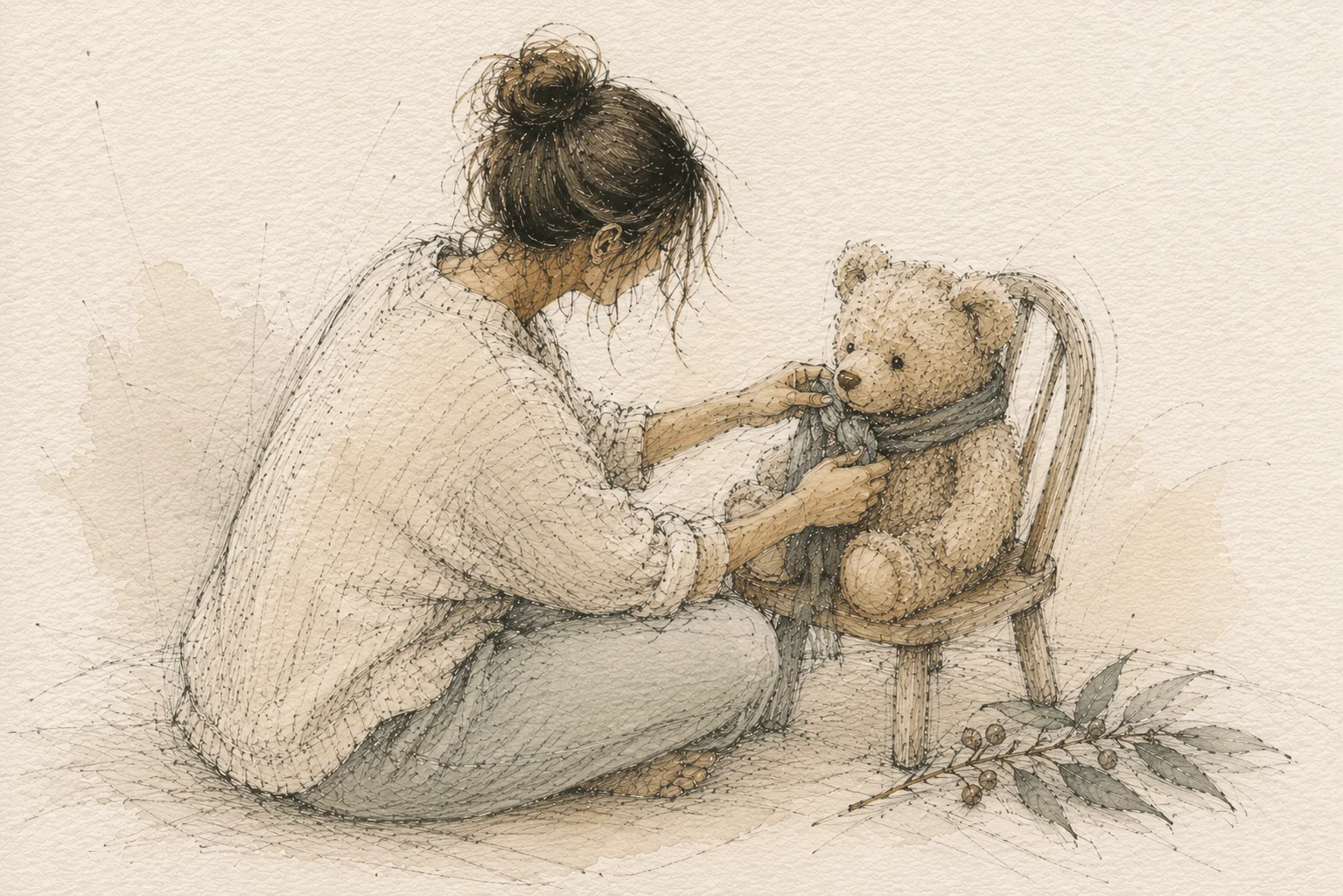
Then we go slowly. Sometimes that starts with you choosing to begin a hug or reach for a hand, something with no sex attached, just so your body learns what it feels like to go first and have it be okay. If you have a partner who’s willing, we can work out a simple signal that lets you invite closeness without it feeling like a big exposed ask, where a no from either of you is fine.
It won’t happen overnight. Some women start to feel their own wanting again long before they’re ready to act on it, and that counts too. What usually shifts first is the story you tell yourself about why you don’t go first, and that changes how you feel in your relationship and what you believe you’re allowed to have.
You were never meant to be the one who waits forever. That’s something we can work on together, at whatever pace your system can manage.
Send this to yourself for a day you wonder what’s wrong with you OR you can reach out for us to have a chat and see if this is something you would like to work on.
If this brings things up for you, the Blue Knot Helpline is 1300 657 380, or Lifeline on 13 11 14.