the reClaim Model
You can recite your history in order without flooding with emotion. The dates, ages, exactly what happened and when. You’ve said it out loud in more than one therapy room, probably more than once each. But when you’re alone, a smell, someone’s tone of voice, or someone standing too close, and you’re eleven again before you’ve even registered why.
You notice chest tightening, your jaw locking, and your words are gone. You have left the room you were sitting in and it feels like you are in a daze. You are no longer remembering what happened to you, it IS happening to you.
Most trauma recovery is mapped like a staircase, linear and straight lined. Step one, then two, then done, feeling lighter with every step you climb. But when you don’t, when it feels like you’ve gone backwards, stuck instead of climbing, the staircase says that’s on you. But it’s not, the staircase wasn’t built for this.
The ReClaim Model works differently. It’s a spiral and you move through it, and then go back to the start and move through it again. Except each time you go deeper, because that’s genuinely how a body and mind lets go of something it’s been carrying since childhood.
Before we get into the way the reCLAIM model works, there’s something underneath all of them that has to be said first.
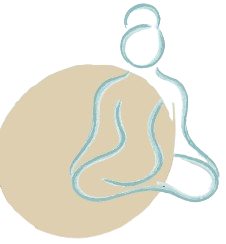
You’re not building a new self in here. There’s nothing missing that needs building from scratch.
She’s already there. The part of you that freezes, that scans a room before it lets you speak, that learned to disappear or come out swinging just to get through the day, that’s not the whole story. Underneath it is a version of you that never actually broke, just got buried and lost.
The Empowered Self, is not somewhere or something you arrive at once you’ve completed the model. It’s what this whole model is built around, right from session one.
There are four threads that run through the model: Recognise, Reconnect, Repair, Reclaim. They’re not a sequence you tick off. You’ll be deep in one, land in another, then find yourself back in the first without even noticing you’d left it. That’s normal. That’s actually how it works when the thing you’re working through happened over years, not in one sitting.
the 4 threads
Recognise
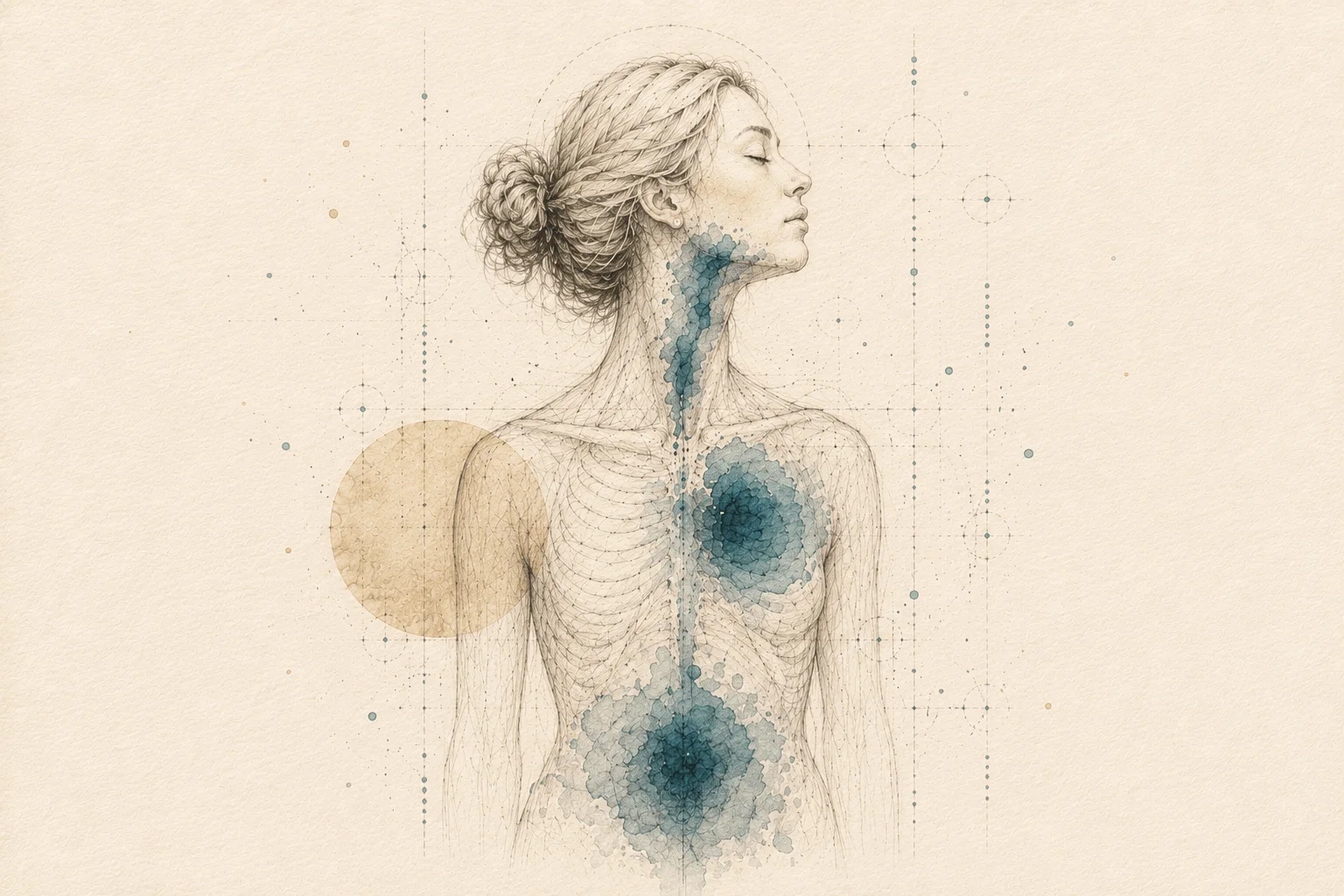
You don’t notice your jaw’s been clenched until it starts aching, or that you’ve stopped breathing properly until someone asks if you’re okay and you realise you don’t actually know the answer. For a lot of women who survived childhood abuse, your body learned to do that on purpose. Back then, noticing what was happening and feeling it fully wasn’t safe, so shutting it down kept you functional.
Recognise is where you start letting yourself notice again, gently, at your own pace. Nobody else is telling you what’s really going on for you. You’re the one learning to trust what your own body is already telling you.
cfd
Reconnect
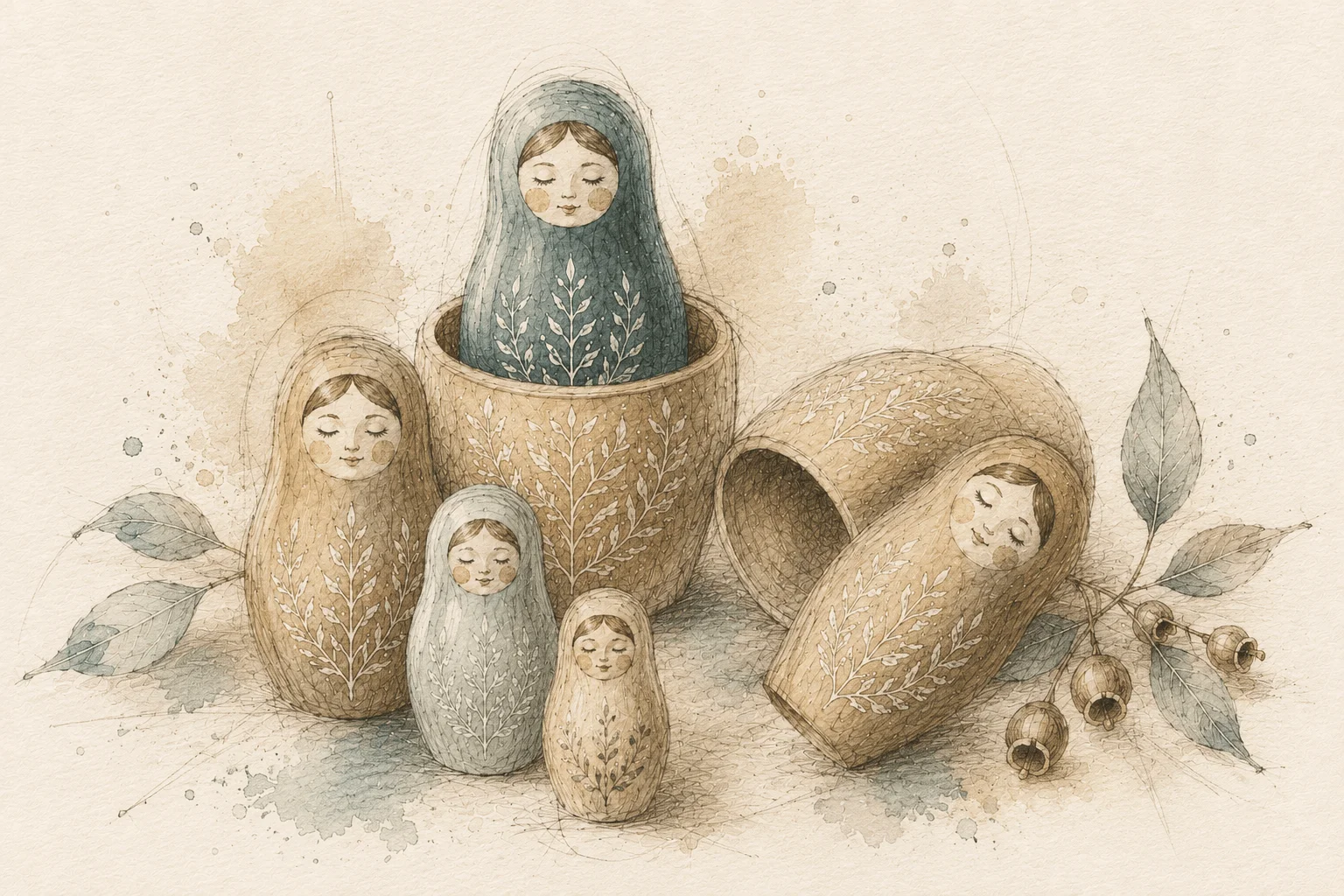
There are parts of yourself you’ve been keeping at arm’s length for years, maybe decades. One part is furious, and has never once been allowed to say so out loud. Your body is another, you stopped looking at it properly a long time ago, because looking felt like admitting something you weren’t ready to face.
Reconnect is coming back into contact with those parts, without trying to fix them or force a relationship with them before you’re ready. For most of the women we work with, the body is the hardest part of this, harder than the anger, harder than the grief.
Reconnecting with a body that’s felt like something to survive rather than something you actually live in takes real time, and that’s expected here, not rushed.
cfd
Repair
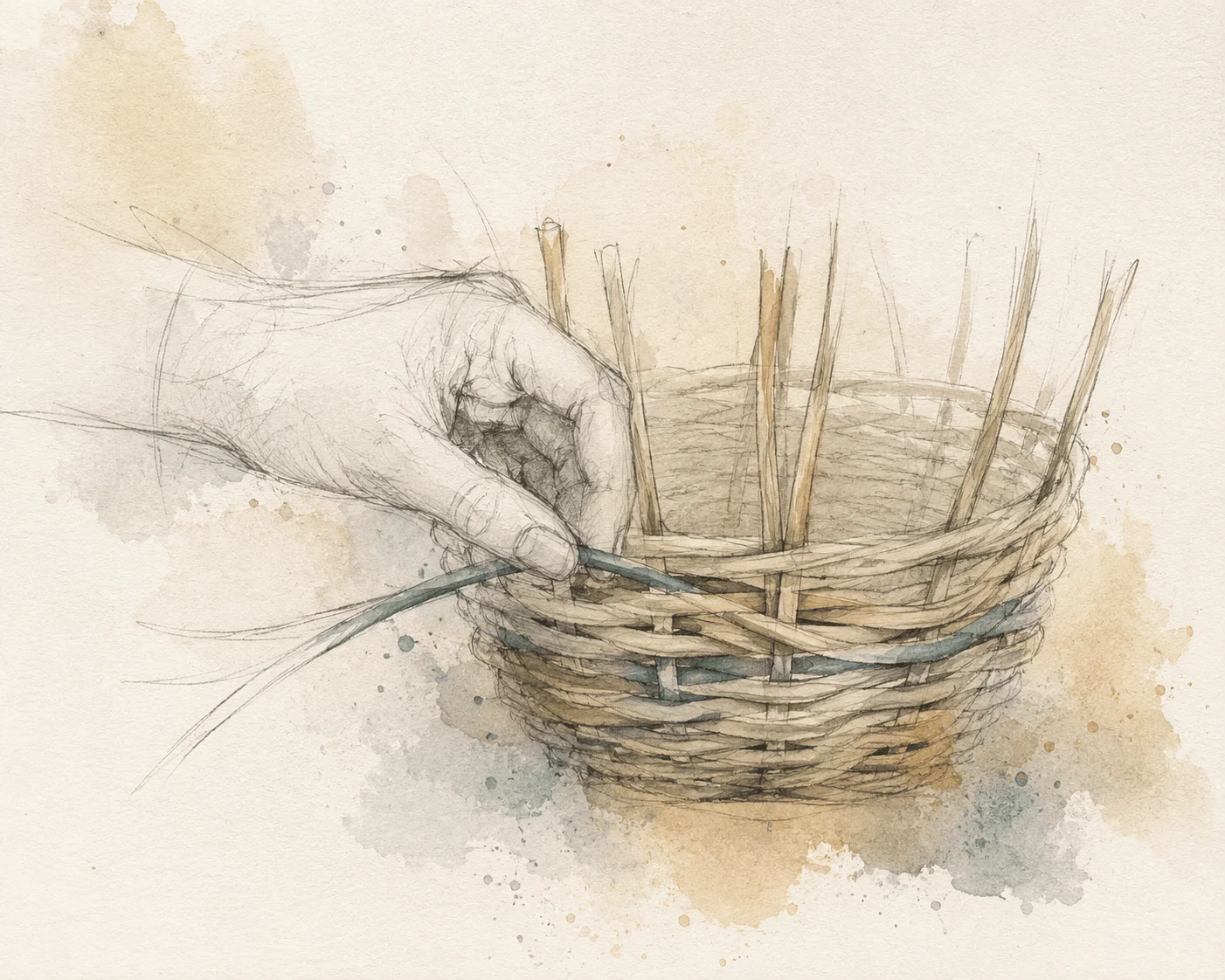
This is where EMDR and parts work do the heaviest lifting. It doesn’t mean sitting across from your therapist describing what happened in detail, over and over, hoping that eventually it’ll hurt less. That’s not how this works, and if a version of therapy has asked that of you before, it’s no wonder it didn’t help.
Repair is about processing what happened so it stops running your nervous system in the present. The memory doesn’t disappear. What changes is what it’s still doing to you right now.
cfd
Reclaim
This is taking back what was taken, starting with your body and your voice, and going all the way to who you were before you learned to make yourself small to stay safe.
This is where the Empowered Self moves out of the therapy room and into how you actually get through your week. It won’t be perfect, and it’s never really finished. But it’ll be genuinely yours again.
cfd
How reclaim came about
University doesn’t teach you how to work with trauma or even really how to recognise it when it shows up in your sessions. You graduate with a theory of what’s ‘wrong’ with people, how to connect the dots of their lives and basic counselling skills, but nothing on how to help people move past their trauma. Parts work, EMDR, somatic work, none of it is core training, thankfully the personal development community for therapists is rich in content and learning.
I knew before I’d even finished my Masters degree that I wanted to do EMDR. I’d read into it and thought it was extraordinary, so I started my training while I was still finishing universtity.
I began working with EMDR and quickly realised how they teach you is by working with a ‘well’ person, what I was seeing in my work, those clients did not fit into those boxes. What I saw was complex trauma, dissociation, shut down nervous systems and bodies that were flooding with loads of emotion. I quickly realised the basic training of EMDR had lots of gaps (thankfully I had completed my training via EMDRAA approved courses, some out there are not recognised and have way more gaps).

I started to hear about parts work (internal family systems/IFS/ego states) and how other clinicians were using body based therapy such as somatic work. I sought out trainings in emotional regulation and dissociation, somatic, and parts. I realised, these models are taught as individual stand alone frameworks, and as individual frameworks they work well – until you get stuck.
I started experimenting with blending the frameworks more, moving in and out of each or tweaking them. Underneath all of it, the history taking has always been built on psychodynamic work, that part never changed, it’s the foundation everything else sits on. What I noticed was my clients were experiencing more self-awareness, deeper access to their stories, and an improved relationship with themselves dancing between the frameworks more than staying in one alone.
My reCLAIM framework is the result of this work, its built by the clients I’ve worked with, the supervision and consultation I have received, and the trainings I’ve sought out.
This is taking back what was taken, starting with your body and your voice, and going all the way to who you were before you learned to make yourself small to stay safe.
This is where the Empowered Self moves out of the therapy room and into how you actually get through your week. It won’t be perfect, and it’s never really finished. But it’ll be genuinely yours again.

Where this actually happens
Reading about the model is one thing.
Doing it is another.
If sexual trauma is what you’re carrying, that work happens on the Sexual Trauma Counselling. If it goes back to childhood, that’s Childhood Trauma Counselling.
If EMDR specifically is what you’re curious about, visit EMDR Therapy.
If it’s your body, your relationship with intimacy, or your sense of your own sexuality that’s been sitting untouched for years, Sex & BDSM Therapy is where that gets worked with directly.
Wherever you start, the ReClaim Model is what’s underneath it
Fees
$205 (60 min) / $285 (90 min) – Individual Sessions
$320 (90 mins) – Couple Sessions
Intensive sessions of 4-5 hours available, contact for pricing and more information
Private health rebates may apply.
In-person in Perth and online Australia Wide.
Choose your therapist