Work in the mental health field? No thanks.

I never intended to work in the mental health field. In high school, when they gave us those books with all the jobs and what courses you needed to do, I was baffled at why I would want to attend university. No one in my immediate family had. They are all blue-collar workers and proud tradies.

Directly out of high school, I followed in my mum’s footsteps and entered the field of home decor. She was a manufacturer; I was in retail. I had my retail store in a tiny town inland from Airlie Beach in North Queensland, where I started at the local markets. After 15 or so years, I remember thinking – there has to be something more to life than making people’s homes pretty.
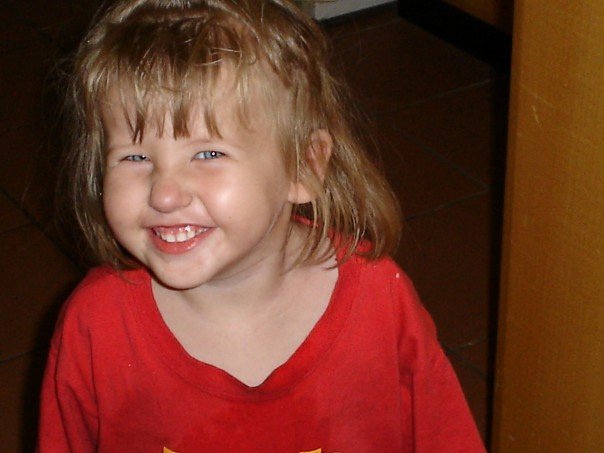
Youngest daughter

During these early years, I had two beautiful girls. I remember it as if it was yesterday. I remember how motherhood was for me. I was not one of those mums where everything was perfect, the soccer mum type. I struggled. When my oldest was 18 months old, I was diagnosed with post-natal depression. To this day, I do not think I moved through it.

Five years later, I found myself sitting in a hospital psychologist’s office, around four months pregnant and told I had prenatal depression. That depression stayed with me for years. I saw countless mental health people, on and off medications, you name it. I could not shake it.

I have a reason for sharing. Stay with me.

My oldest struggled at school, and she needed to repeat year 2. She was later diagnosed with ADD with hyperactivity, amongst other things. I remember seeking help from a doctor when she was younger to be told I was just a stressed-out mum. As part of her care, she required speech therapy. Little did I know, years later, that this was the start of my new life.

I began university in Townsville intending to have a career in speech pathology. I had to start with a medical science diploma, the gateway to all medical fields at James Cook University. After six months, my husband and I packed up the girls are moved across the country to Perth. The universities here did not offer the same courses, and I could not complete the diploma online. I began a psychology undergraduate degree as the gateway to speech pathology.

I never did finish a speech pathology degree. I started it, my marriage ended, and life turned swiftly upside down.

I sought the help of professionals and was told I had traits of borderline personality disorder and bipolar. At the time, it gave me a reason why I felt the way I did, so I grabbed onto it. I was medicated for a while, and maybe that saved my life. Now, I wonder, how can they give me those labels after one or two visits?

I took two years off from my studies to regain control of my life. When I decided to go back, it was tough. I worked, studied, and raised my daughters throughout a hostile separation. My family were back in North Queensland, and I had no friends to speak of. Every semester I would ask the universe to give me a semester with no issues. Every semester, it felt just as hard as the semester before. I persevered. I graduated with an undergraduate degree and completed further studies in psychotherapy and counselling.
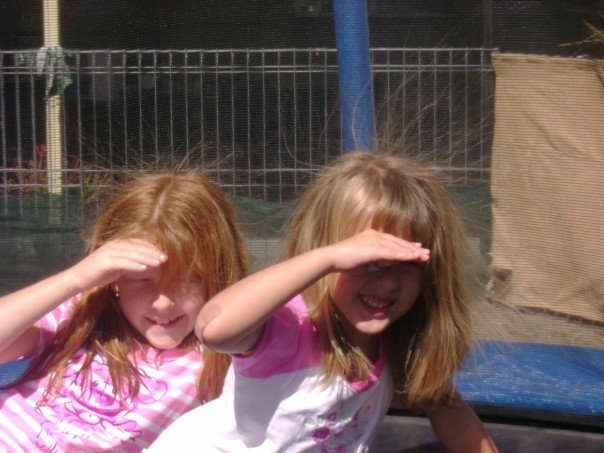
My two girls

Why am I sharing this?

I want you to know I’ve been there. I know what it is like to feel so lost you don’t know if you are coming or going. I’ve felt so angry I wanted to scream constantly. I’ve cried for days on end. I know how hard it is to crawl out of bed every day when all you want to do is hide under the covers. I remember going to counselling sessions with my head hiding in a hoodie as I didn’t want to be seen by another person.

The most important thing I learned after my separation was that I do not have BPD or bipolar. My responses were perfectly normal for what I was experiencing.

The other thing I discovered, my marriage was a symptomatic cause of my unhappiness.

During my many years at university, I discovered how grief and loss work. I learned how depression could affect us when we face life changes. I discovered what feelings and emotions are normal for life changes. I also learned how childhood paves the way for our adult selves and how connections with others and relationships are affected.

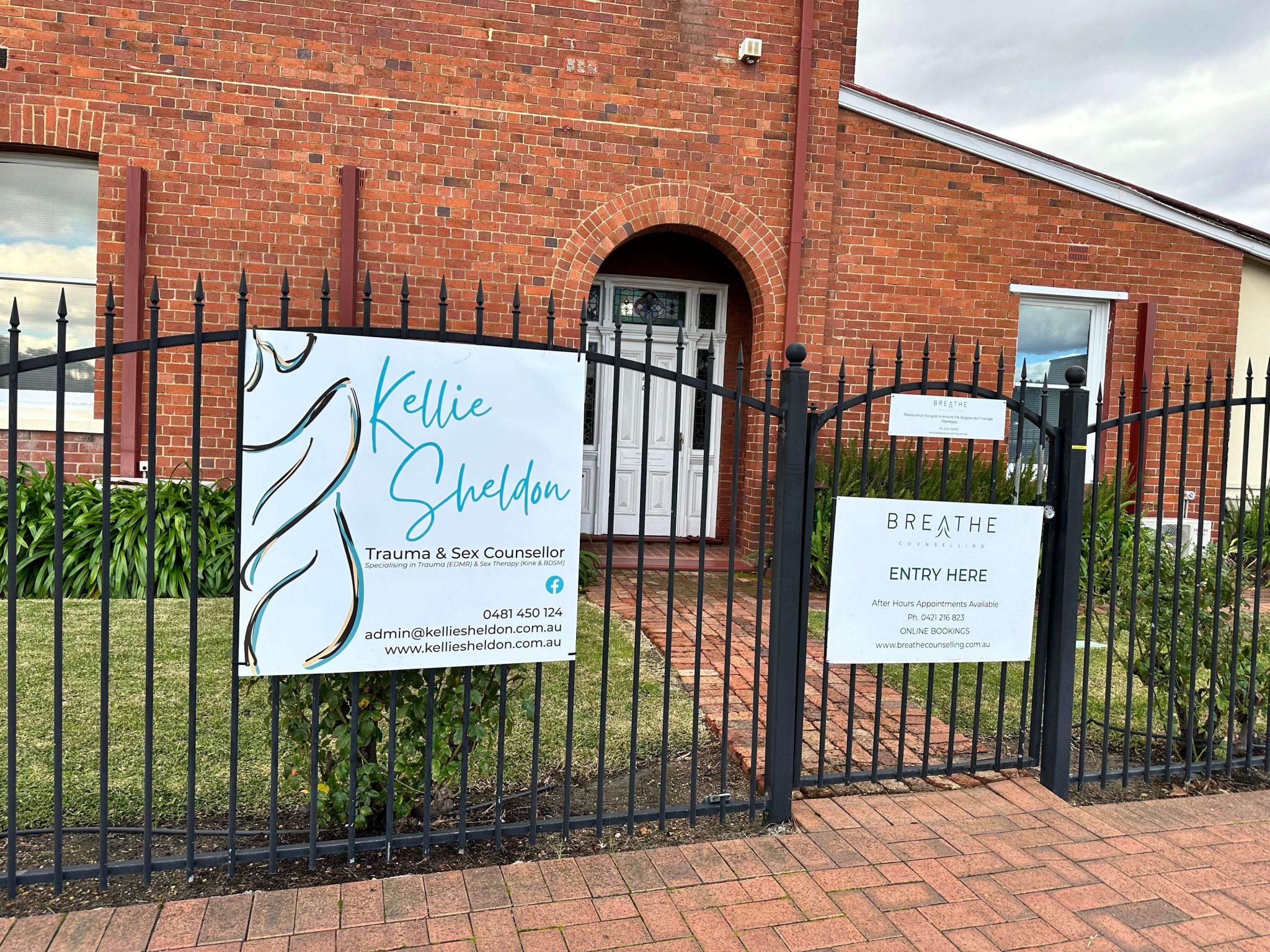
These discoveries paved the way to where I am now. I am sitting in my healing space in Midland, working with people like you. People who want connection and are unsure of how to get it or even what a healthy connection looks like. People struggle with who they are and what their needs are. People who have lost sight of what makes their souls sing with excitement. People who have childhood wounds and struggles yet don’t even realise it.
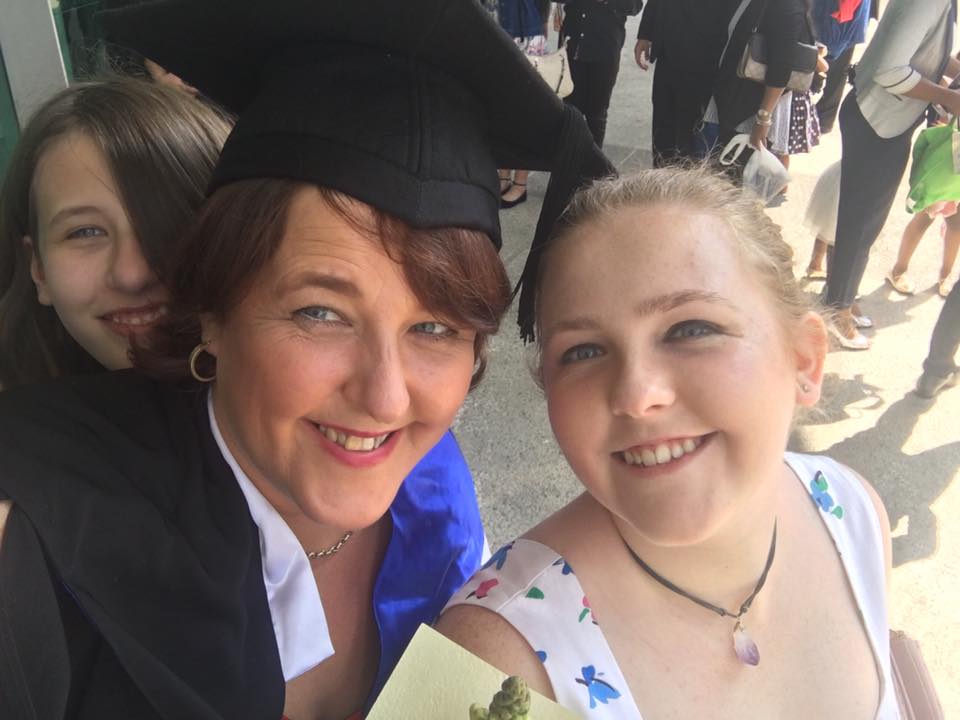
Undergraduate graduation

My life journey is not different to a lot of the stories I hear in my office. I relate to them on some level.

I never wanted to work in mental health. Psychotherapy and counselling is something I found a love for when I realised how many answers it holds. I realised it was “the something more to life than making homes pretty“.

It’s the opposite. They want to be told everything right and normal about them! I mean, normal is just a setting on a dryer or washing machine, right? The more we tell people they are broken or give them a label when their life is just turned upside down, the more we keep them stuck.

Attachment theory (how we connect with others) resonated with me on many levels. I look at my childhood of travelling around Australia and see how not being able to develop long-term friendships has hindered my adult life. I understand how I was parented has impacted how I parented my children. I see how parenting styles also impact adult relationships of all kinds. I have a new level of understanding and can sit with those thoughts without being overtaken by them.

I wish I had people who told me life was shit because I was getting separated or my hormones were going crazy. Even more so, I wish I had someone explain why and how my childhood affected my adulthood and my relationship with my daughters.

I bet life would’ve been much different back then if they had told me. Thankfully, now I know, and I understand. Upside. I have the power to change it, and so can you!

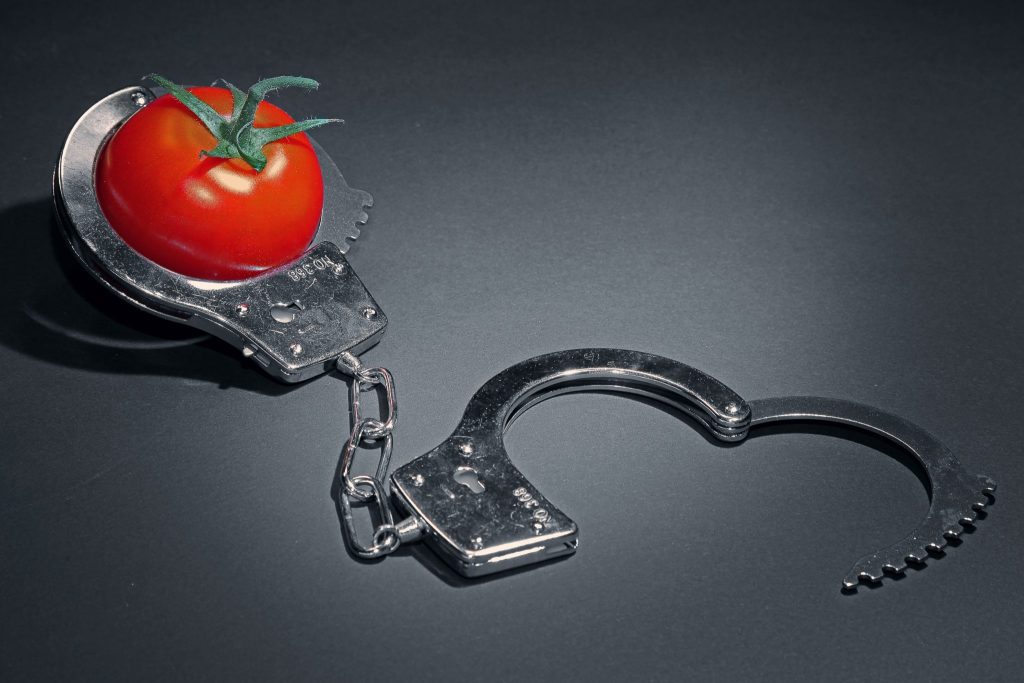
Safewords are fun savers

You’re tied with silk ties to a St Andrews Cross. Your favourite kinky song is playing loudly. The room is warm. You’re engrossed in the feelings of a suede flogger caressing across your butt, slightly twitches. It doesn’t hurt, yet your body reacts with a flinch. You’re engrossed in the play scene. You are enjoying yourself. Your play partner (Dominant or Top) watches your body for reactions and unconscious behaviours. Suddenly, your arm cramps from being held above your head with the ties. You realise you haven’t had enough water today and need to move your arm as it is getting uncomfortable. What do you do? How do you express you need to move your arm?

This is where safe words come into play. Before beginning any kinky play time, you and your partner must have discussed a way to communicate when something is not quite right – or even when it’s spot on. It doesn’t matter if you are new or an old hat in the kink and BDSM scene; safe words are a MUST.

What is a safeword?

Remember the old joke about using “pineapple” to stop something? Most people have played around with using a safe word.

A safeword can be either verbal or non-verbal. It’s a word or phrase to indicate when something is too intense for you—or if something feels good and you want more of it! A safe word can be anything from “green” (meaning everything is cool) to “red” (meaning stop right now). Sometimes you may become nonverbal. Your play partner must know a body signal; this ensures they know when to stop and check on you. They help you and your partner communicate what’s OK and not OK, and they make sure that you don’t feel pressured into doing anything that makes you uncomfortable.

You must choose something memorable. There is no point in choosing something witty and funny if you or your partner will forget it.

Who can use a safeword?

Anyone can use one! Sometimes the person Topping may not feel comfortable doing something. Or they notice you are not listening to your body and feel you are pushing yourself too far. Safewords must be negotiated if you are in or starting a Dominant and submissive dynamic. I know dynamics where a submissive will use a safeword to use the bathroom, and other submissives will be told to speak up.

Safewords are not negotiable in kinky play, especially at the beginning of a dynamic. After a while, your Dominant or Top will be able to read your body accordingly; even after that, they are not bulletproof and can misjudge a reaction.

If you are at a dungeon or private party and see someone crossing a boundary, this is also a time you can use a safeword.

What happens if a safeword is ignored or not used?

One of the main pillars for kink and BDSM is consent. Safewords are another way dynamics express consent. Green is GO. Orange is WAIT. Red is STOP EVERYTHING NOW AND STEP AWAY. If your Dominant or Top does not listen to a safe word, this IS abuse. Calling orange or red is an explicit message consent has been withdrawn. The same can be said for the submissive or bottom. Withdrawal of consent can happen at any time by any party involved. Abuse can and does go both ways when lack of consent is ignored.

Using safewords is your responsibility. One of the great things about kink and BDSM is it teaches people to advocate for themselves. If you do not feel safe using a safeword, you must reconsider who you are about to play with. Trust is paramount to a fun and safe BDSM experience, and using a safe word adds to that experience. Imagine how you would feel if you didn’t use a safeword and were hurt. The person you play with would feel terrible and most likely blame themselves. However, failing to use a safeword means you have betrayed yourself and the person/s you are playing with.

BDSM and kink is the best time when all parties are on the same page, being careful, paying attention, and being aware. Things can go wrong, and having a safeword minimised the risks. Never be afraid of using a safeword.

Do you find it difficult to use your safeword? If so, reach out today and we can work together to find your voice!

Pssssst….. you can use a safeword in your vanilla relationships and play time too 😉

Reasons to think outside mental health plans for therapy

Life is hard. Let’s face it, even at times, it’s downright dreadful! It has this way of throwing everything at us all at once. We try and lean sideways to dodge it. Sometimes we are winners, and other times, it hits us like a pie in the face.

We are constantly told talking about our emotions and feelings is normal and important. There is truth in that, and we must be okay with expressing what hurts us. We know who we talk to makes all the difference.

The most used option is a trip to your GP to request a mental health plan under the better health scheme. Realistically, why not? You are eligible for a few free or cheaper sessions. It’s a no-brainer, right? Sometimes though, it’s not always the right choice.

When you have a persistent sense of heartbreak and gutwrench, the physical sensations become intolerable and we will do anything to make those feelings disappear. And that is really the origin of what happens in human pathology. People take drugs to make it disappear, and they cut themselves to make it disappear, and they starve themselves to make it disappear, and they have sex with anyone who comes along to make it disappear and once you have these horrible sensations in your body, you’ll do anything to make it go away.

Bessel A. van der Kolk

What are your options?

Currently, under the medicare scheme in Australia, psychologists and mental health social workers can accept a mental health plan entitling you to 10 sessions per calendar year. Predominately, there is a gap fee and a waiting list to see a psychologist.

The alternative is you can access counsellors or psychotherapists. If you are concerned about qualifications, this is displayed on their website, or you can ask. Many counsellors and psychotherapists are highly trained and have similar qualifications to registered psychologists, and most are trained in specialist fields instead of generalists.

Before getting a mental health plan, there is information you need to be aware of.

The medical model

For a psychologist to obtain payment for your session from the government, they are usually required to list a code for a diagnosis. Under the scheme guidelines, the diagnosis will stay on your case file with Medicare. This is problematic as you may not need a diagnosis.

Sometimes we are going through a few things and need some help to process them or move forward. Big feelings or emotions are normal when experiencing grief, loss, relationship stress, work stress, or illness. These emotions will be anxiety, sadness, anger, fear, hopelessness, and depression. It is important to understand these feelings are expected and come and go with what is happening in our life. They do not always mean you have a mental illness or need to be diagnosed with one to get help from a therapist.

Your treatment plans are limited

The treatment choice under a mental health care plan is CBT (cognitive behavioural therapy). For some people, this works well; for others, it doesn’t. Therapy is not a one size fits all model.

Psychotherapists and counsellors are trained to look beyond the here and now. They will listen to your health concerns and rule them out first or work with them on a mind, body, and soul treatment plan. It is important to look at everything around you, even to travel back in time and explore your childhood or how trauma is passed through the generations.

There are many other treatment styles available. Psychotherapists and counsellors are trained to explore many of them at once. Furthermore, YOU are in control of your treatment. We will work with you and give you options for your treatment.

Registration with the Australian Counselling Association or PACFA requires ongoing clinical supervision and training. You can be confident your psychotherapist or counsellor is well prepared and highly trained.

Duty to disclose

Your diagnosis will be permanently stored on the Medicare database. Insurance companies can access your records and adjust your premiums if requested.

Working outside the medical model means your information is bound under the client-therapist confidentiality agreement. We do not report to anyone outside of our practice unless court-ordered.

You can choose your therapist

Research shows the relationship between client and therapist is the most important aspect of your therapy. Having a chat with a potential therapist allows you to feel confident in who you will be working with before you commit to sessions.

You can email, look at their website, check their socials, or even ring for a quick chat before booking an appointment. If you feel a little nervous about your session, this can assist in minimising any discomfort.

Relationship and marriage counselling

Relationship or marriage counselling is currently not available under a mental health plan. Therapists must be trained to work with couples, and doctors are more likely to refer to psychologists trained for individuals.

Therapy is a personal journey. Exercise your right to choose what that therapy looks like. It can be the difference in how your healing looks. Find a therapist who you feel comfortable with and who aligns with your values. You have the choice.

If you would like more information, reach out today.

How to heal your inner child

Ah, the inner child—that magical place in all of us where joy, wonderment and creativity flow freely. It’s also where we can get stuck if we’ve had a traumatic past. Adults are taught to ignore or repress their feelings to function in society. But when it comes to healing from trauma, it helps to give your inner child some attention and care. Here are some techniques for how to do just that:

Recognise what you’re feeling.

When you are feeling something, it’s important first to understand what that feeling is. For example, if someone says something that upsets you or makes you upset, ask yourself:

  • What am I feeling? How do I know it’s anger?
  • How does it feel in my body? Do any parts of my body tense up when I’m angry? Is there a knot in my stomach or chest? Am I breathing differently than usual?
  • What is the difference between being angry and acting on the anger (i.e., yelling at someone)? Does the feeling fade away in a few minutes, or does it stay longer than usual with each day that passes by without relief from whatever caused me to be angry in the first place?

Embrace the feeling.

When you’re feeling a lot of shame, it’s natural to want to push the feeling away. But this isn’t helpful. You can’t get rid of your inner child, and trying to push her away creates more shame. Instead, embrace your inner child. Treat her like a friend or a small child who needs comfort and care from you, her parent figure in this situation (you).

Try not to think about how shameful it feels when she cries; instead, just let her cry until she stops crying—and then some more if she needs more time than that! It’s important that you take care of yourself when dealing with feelings like these:

  • Take breaks between sessions if necessary—baths are especially good for this purpose
  • Go for walks outside (if weather permits)
  • Take naps whenever possible (if possible)
  • Read books that make you feel better

Name it.

  • What is the feeling?
  • What is the cause of the feeling?
  • What do you want to do with the feeling?
  • What does it feel like in my body?
  • How does looking at this emotion make me feel on a scale from 0 to 10, where 0 means “bad” and 10 means “good” (if possible)

There are only two rules for naming your feelings: First, make sure that you can name them accurately. Second, don’t judge yourself for having them. There’s no need to be hard on yourself or criticise how you’re feeling; just observe these emotions as they come up in your life and notice how they affect your actions and behaviours moving forward.

Talk to yourself.

It’s time to get real with yourself.

When you talk to yourself, do it like you’d talk to your best friend—as if you care about what they’re feeling. When we communicate in this manner, it is easier to hear what we are saying and how we feel.

Ask questions like: “How am I doing?” “How can I improve?” “What do I need right now?”

Imagine your inner child’s needs being met.

Inner children need to feel safe, loved, and understood. If you can’t imagine what your inner child needs to feel safe and loved, imagine that some part of you knew exactly what they needed—that would be an excellent starting point. If this isn’t possible for you, it’s okay! You can still work on healing your inner child by imagining that someone else is meeting this need for them.

You can heal from the traumas of the past with some creativity and compassion for yourself.

It’s important to understand that you can heal and that it’s possible for everyone. You may think this isn’t true for you because it doesn’t feel possible in your case, but trust me—you’re not alone. Over 90% of people have experienced trauma at some point in their life! It’s important to realize that there is no right or wrong way to do this; the only requirement is to allow ourselves time and space (and maybe a therapist if needed) to explore our feelings about childhood experiences and move forward as adults.

Let me be clear: Healing does not mean forgetting what happened or pretending like nothing happened at all; healing means being able to acknowledge those painful memories as part of who we are today without letting them define us forevermore into adulthood simply because they happened when we were kids.

It’s good to know that you’re not alone in your journey to healing. We’ve all been there and done that, so it’s nothing ordinary. I hope these tips help you on your path towards healing and self-love!

Inner child work is a different avenue from traditional talk therapy around trauma. If you are curious or ready to try a different way, reach out today. Let’s walk together and get in touch with your inner child.

Busting the myths around BDSM

Many of us have seen 50 Shades of Grey, The Secretary, or The Bookclub. All these movies have introduced everyday people to the world of kink and BDSM. The BDSM community was outraged by 50 Shades as it did not depict how BDSM ‘should’ be, and they are not far off the money. The question is, have these movies busted the myths around kink and BDSM? If so, why are the comment sections on Facebook still flooded with horror and misunderstandings?

We haven’t fully grasped how the fundamentals of the kink world play out. You will not always see a red room filled with toys that seemingly create pain. The reality is far from it; most people involved in the scene carry their toys in a bag or have them locked away in a cupboard. Granted, there are places you can visit with dungeons set up for high levels of kink and BDSM; even so, the red room can still put them to shame. BDSM clubs are usually member-only invites, so unless you are a regular or have been to their introduction evenings, do not expect to get an invite.

How prevalent is BDSM in the community? One study cites over 46% of the 1027 people interviewed had tried at least one BSDM activity, and a further 22% had fantasies. Regular participants of BSDM accounted for 10% of the interviewees. Other studies cite results ranging from 2% to over 60% of people engage in kinky bedroom activities. These numbers show kinky sex is not the deep, dark secret we believe it to be.

What is more troublesome is that society continues to shame people who enjoy anything besides vanilla sex. The psychology field isn’t exactly helping the stigma as the DSM (the bible for diagnosis by psychologists) still lists sadistic and masochistic interests as paraphilic disorders. How can we reduce shame and guilt in those who enjoy BSDM if the field of psychology still refers to it as a disorder?

Trauma and BDSM go together.

There is little evidence supporting this claim and much discussion around it. I’ve put this myth first as it is the most damaging one. It implies anyone involved in kinky sex is not normal. Trauma or abuse must be why they like being involved in activities such as flogged with a cat of nine tails or being suspended by the ceiling with rope. After all, what other reason can there be? We must note that causation differs from correlation; some studies can correlate trauma with BDSM. However, it is like asking what came first, the chicken or the egg.

BDSM is always about sex.

No one is discounting BDSM can be about sex; all you have to do is watch the BDSM porn category to verify this. Yet, many people who enjoy BDSM do not partake in sex or have an orgasm. Activities such as wax play, sensory deprivation, or rope bondage (Sharabi) are not inherently sexual. People will enjoy these as they offer relaxation and general pleasure. Many Asexual people enjoy BDSM. After all, BDSM is all about the senses and experiencing them in a way where your mind just empties.

BSDM is all about pain.

If you are a masochist (enjoys receiving pain) or a sadist (enjoys giving pain), BDSM can be about pain. Yet, even for those people, the act of the pain is not the be-all and end-all. The pain for a masochist is all about the inner body, meaning an endorphin and adrenalin rush. It has been described as similar to a runner’s high. It is about sensations felt on and through the body and the quietening of the mind. A sadist in a BDSM context will never enjoy giving pain to someone who does not enjoy it. It is about giving to them. The reactions of the masochists’ body, the perceived power given to them by their partner/s. BDSM is mutual enjoyment.

BDSM is abuse.

The pillars around BDSM are trust, negotiations and consent. In context, any relationship where these pillars are not present is abuse. Abuse is often centred around power, especially taking power without consent. Vanilla relationships won’t normally involve discussions around negotiations around sex or how power dynamics are divided. References are often requested from previous partners to gauge someone’s experience or reputation or to make sure they play safely. This is not saying abuse cannot occur in BDSM dynamics. There will always be people who inherently abuse the power they are given. Vetting or communicating with potential partners, taking time before playing, and checking references can all offer safety nets. Importantly, knowing yourself and your boundaries are important in all relationships.

Are you interested in learning more about BDSM? Reach out today.