Sex is a natural part of life, yet many people struggle with sexual shame. This can come from cultural beliefs, growing up with certain religious beliefs, family stories, trauma, or personal experiences. Understanding the roots of this shame and how to overcome it is essential for developing a healthy and positive relationship with your sexuality.
What Causes Sexual Shame?
Sexual shame is often learned through our upbringing or messages from society. Some common sources include:
• Cultural Norms:
Maybe you were brought up in a culture that never spoke about sex, it’s taboo. This can lead to feelings of guilt and shame when discussing or engaging in sexual activities.
• Religious Beliefs:
Some religious teachings suggest that sex is only appropriate within certain boundaries, like marriage, which can create guilt for those who deviate from these expectations. Schools these days will teach abstinence over pleasure. Thinking this way takes away the power of what pleasure is about, whilst adding shame to enjoying, let alone having sex.
• Personal Experiences:
Negative experiences, such as past trauma or being shamed for natural sexual exploration, can contribute to long-lasting sexual shame.
The Impact of Sexual Shame
Sexual shame can have far-reaching effects on mental health and relationships:
• Low Self-Esteem:
Feeling ashamed of one’s sexuality can lead to low self-worth and negative self-perception.
• Relationship Issues:
Shame can create barriers to intimacy and open communication in relationships, leading to dissatisfaction or disconnect.
• Mental Health Challenges:
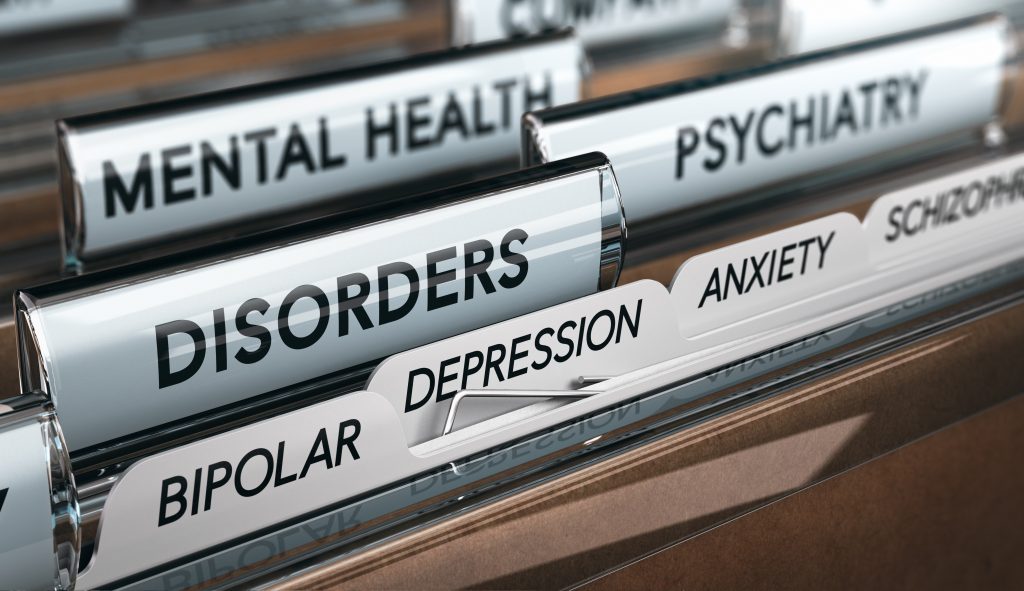
The emotional burden of shame can contribute to anxiety, depression, and other mental health issues.
How to Overcome Sexual Shame
Overcoming sexual shame requires effort and self-compassion. Here are some steps to guide you:
1. Educate Yourself:
Understanding that sexuality is a normal, healthy part of being human is crucial. Seek out sex-positive education resources that challenge shame-based beliefs.
2. Challenge Negative Thoughts:
Reflect on where your feelings of shame come from and actively work to replace these with positive, affirming beliefs about your sexuality.
3. Seek Support:
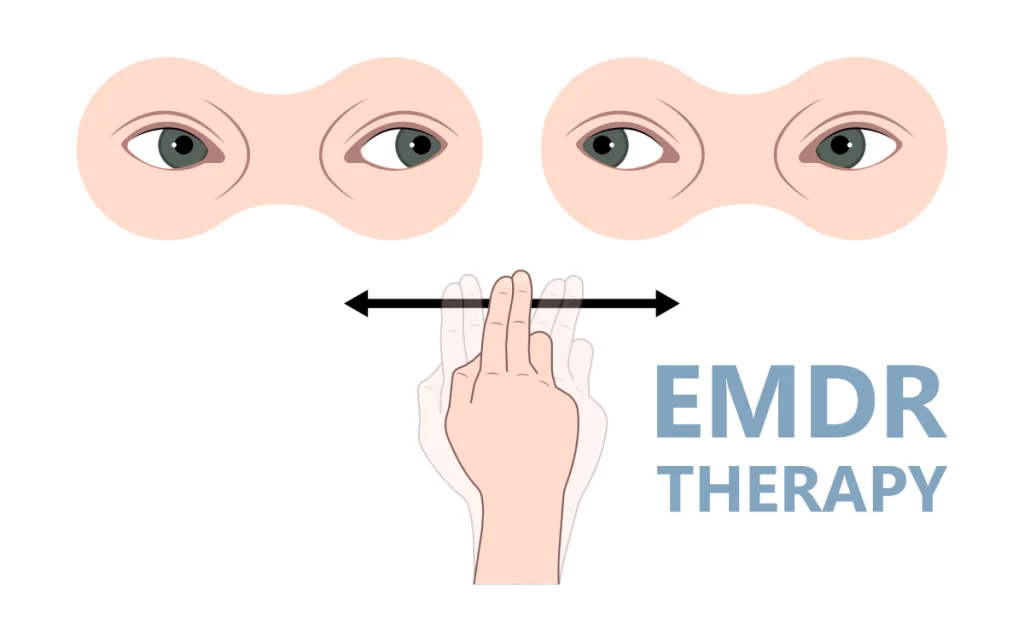
Consider talking to a therapist or joining a support group to address and work through feelings of shame. Professional guidance can be invaluable in this process. Therapies such as EMDR or parts work can help.
4. Practice Self-Compassion:
Be kind to yourself. Recognise that overcoming shame is a journey, and it’s okay to take time to heal and grow.
By addressing and challenging the sources of sexual shame, you can begin to develop a more positive and healthy relationship with your sexuality. Remember, sexuality is a natural and important part of life, and embracing it without shame can lead to greater well-being and happiness.
I am here to help and work with you when you are ready to live a life full of sexual pleasure – without shame.
I’ve got some fantastic news to share with you all, and I couldn’t be more excited! It’s been a whirlwind of amazing opportunities lately, and I wanted to take a moment to celebrate and share these milestones with you.
Brainz Magazine Contributor
First off, I’ve been invited to be a contributor and expert writer for Brainz Magazine! This is such an incredible honour, and I’m thrilled to join a community of thought leaders and experts from around the globe. I’ll be sharing insights on trauma and sex therapy, aiming to educate, inspire, and provide support through my articles. Stay tuned for my upcoming pieces – I can’t wait to hear what you think!
Best in Perth Recognition
I’m absolutely chuffed to announce that I’ve been included on the Up and Coming List by ‘Best in Perth’ as one of the top 5 psychotherapists in Perth. This recognition means the world to me. It’s a testament to the hard work and dedication I’ve poured into my practice and my passion for helping others. Thank you to everyone who’s been part of this journey – your support is invaluable.
Unique Professions Podcast
As if that wasn’t enough, I recently had the pleasure of chatting with David on the Unique Professions Podcast. We had a fantastic conversation about my work, the unique aspects of trauma and sex therapy, and my approach to healing. David was an excellent host, and I thoroughly enjoyed sharing my story and insights with his listeners. If you haven’t had a chance to listen yet, I highly recommend checking it out – it’s a great listen! I look forward to working with David again soon.
Guest Workshop Speaker
I’m excited to share that Anna Thellmann – Intimacy Expert will be holding an online workshop called “ReConnect With Your Partner”. I’ve been invited to speak on this limited-access, on-demand audio workshop, which launches on 11th September and will be available until 11th October. The workshop is free for all and will cover topics like the main reasons for partner disconnect, daily life impacts, underlying fears and beliefs, and practical steps for reconnecting. As soon as it launches I’ll be sharing the link!
What This Means for Us
These opportunities are not just personal wins; they’re a reflection of our collective journey. Each step forward is fueled by the incredible stories and resilience of my clients, the support of my peers, and the curiosity of everyone who engages with my work. I’m excited about what’s to come and how these platforms will allow us to reach and help even more people.
Thank you for being part of this amazing journey. Your support and trust mean everything to me, and I’m looking forward to sharing more exciting updates and insights with you all.
Rape is a form of sexual harm, sometimes also called sexual assault or sexual violence. Sexual harm is the ‘umbrella’ term which includes any unwanted sexual contact or behaviours including:
rape (including attempted rape)
penetration (vaginal, anal or oral) with a body part or an object
touching
kissing
other sexual practices or behaviours
Rape can be a one-off event or it may have happened lots of times. It can involve one or more people. Often, but not always, sexual harm involves fear, force, or coercion such as using threats to make someone do something. People who are raped often know the perpetrator. Is it very common for rape to happen at, or near the raped person’s home.
Myths about rape
Myth: They were asking for it
Rape and sexual harm is never the fault of the victim. It doesn’t matter what they said, how they were behaving, how much they had to drink, what they were wearing, their gender, their sexual orientation or whether they are a sex worker.
Myth: They didn’t say no, fight back or run away
The victim doesn’t have to say ‘no’ for it to be rape or sexual harm. Often people can go into a freeze response when they are overwhelmed or feeling unsafe. This means that they may not be able to move, speak or even think clearly. Any sexual activity that doesn’t have a clear and enthusiastic ‘yes’ from both/all parties should be taken as a ‘no’.
Myth: People who are married or in a relationship can’t rape their partner
Unwanted or forced sex can happen between partners or spouses. It is not a partner’s “duty” to have sex with their partner against their will. In heterosexual marriages, up to 14% of wives report having unwanted sex with their husbands. This is known as marital rape and it often happens repeatedly throughout a relationship. This may surprise you, but waking up to your partner having intercourse with you is classed as rape. In Australia, it is illegal to have unwanted or forced sex with your partner or spouse.
What to do if you are raped
But remember, regardless of the circumstances, what happened to you is never your fault. Even though it can be incredibly challenging and normal not to blame yourself, please know that you did nothing wrong. It doesn’t matter what you said or did, how you behaved, what you wore, or any other factor, it’s not your fault!
The responsibility lies solely with the perpetrator, not with you. Your experience is your experience, and your feelings are understandable and normal. You deserve compassion, support, and understanding as you work through this.
There can be many physical, mental, and emotional consequences that come in the hours, days, weeks, and even years after rape. Soon after the event, you may need to attend a hospital or see a doctor for help with any injuries such as broken bones, skin tears, or bruises. You may also seek help from a sexual health specialist to prevent unwanted pregnancy or sexually transmitted diseases.
Emotional support is also available from counsellors and therapists to help with trauma, shock, anxiety, fear, depression, intimacy issues, and other difficulties. You may experience PTSD type symptoms such as flashbacks, dreams, or fight/freeze states.
Seeking help and support from professionals who specialise in trauma recovery is okay. We can use Eye Movement Desensitisation and Reprocessing (EMDR), we know it helps people process and heal from traumatic experiences like rape. Therapy can provide a safe space to explore your emotions, work through trauma-related symptoms, and develop coping strategies for healing and moving forward.
If you can, reach out for support. Australia’s national sexual assault helpline 1800 656 4673. Asking for help is nothing to be ashamed of. If someone you know has been raped, ask them if you can reach out for help on their behalf if they cannot. Don’t assume that they want help – always ask first and respect their decision. Sometimes just being there is the best thing you can do for a friend who has just experienced trauma.
Know that you are not alone in this, and your life does not have to be dictated by what happened to you.
Online counselling and psychotherapy sessions have become the norm since COVID-19. Whether you like them or not, they are here to stay. Let’s explore the pros and cons of online therapy.
Pro – convenience and flexability
As long as you are in a private space and no one can hear you, you can attend your counselling session anywhere you like. I have spoken to people whilst in their car, wardrobe, cupboards, you name it. Pop in a set of headphones and you can have your session walking in a park – no one will pay attention and can only hear one side of the conversation. Just let your therapist know, after all, confidentiality is important.
Being busy shouldn’t stop you from attending online sessions. They are flexible and can be scheduled during your lunch break or even when you’re on the road.
You and your counsellor can still attend sessions even if you are feeling unwell but still want to attend your sessions, the same goes with your therapist. We understand the importance of not spreading germs.
Pro – geographic locations
Online counselling ignores borders, allowing you to access therapy from virtually anywhere in the world. Whether you’re exploring bustling cities, serene beaches, or remote villages. This also goes for if you live in rural areas, the middle of Australia, work FIFO or on a fishing boat in the middle of the ocean. As long as you have a decent internet connection you can connect with your therapist. Remember to check your time zones, you might not wish to have a 3 am counselling session.
Pro – specialisations
If you are searching for a particular specialisation, like kink-friendly counselling, it may not be available in your local area. However, with online counselling, you can access professional counsellors and psychotherapists from anywhere in the country. This means that your options are now limitless.
Pro – privacy
Imagine this. You are living in a town of 1200 people. There are two counsellors to choose from. The town is one of those places where everyone knows everything about you. Are you going to want to see one of the two counsellors with the risk that someone will see you (your privacy means the world to you)? Online counselling offers that privacy. No one will ever know you are attending sessions unless you tell them.
Pro – most therapy styles can be practised professionally
In terms of online counselling, I have not yet encountered a counselling framework or style that cannot be used. Of course, it’s different if we need to physically touch a part of the body to access it, but with counselling, we don’t typically have to rely on physical touch.
As a result of the COVID-19 pandemic, counsellors have successfully adapted their practices to offer online services, including EMDR therapy and games to support children. Online group therapy sessions have been proven to help remove isolation and assist in connecting with others.
Pro – extra layer of protection
Some of the things you want to work on are difficult for you to talk through – especially face-to-face. I get that, your parts are holding shame and would prefer some extra protection as you talk about them. Online counselling offers that, as do phone sessions. The screen offers a barrier between you and your counsellor. I have received feedback from clients about the added layer of perceived protection allowing them to share things they would never mention in the office.
The same goes for the environment. Sitting in a therapy office may be difficult for you, it hinders you from opening up as you have had negative experiences before. Being able to stay at home in comfort (including PJs) can offer an extra level of protection for you. That is perfectly okay! We do what we need to do to make counselling work best for you.
Cons – technical issues
Battery issues, bad connections, and programs not working are all issues we have to work around by having online counselling sessions. One day everything works fine, the next they are glitching. Sometimes it’s pot luck on whats will work and what won’t.
Cons – communication issues
One major complaint about online counselling and therapy is the lack of connection between client and therapist. There is truth in this – missed body language and the slightest facial cues can hinder the connections between all involved. Some individuals have stated they feel further away and distant due to the screen.
Con – privacy concerns
Even though I included privacy concerns as a positive, it can also be a negative. You may have taken every precaution to be in a private area, but there is no guarantee someone will not walk into the room or overhear you. As for leaked or hacked programs, ask your therapist if the program they are using is telehealth-compliant to help ease your mind.
Online counselling offers a range of benefits, including convenience, accessibility, flexibility, and privacy. It breaks down geographical barriers, making therapy accessible to individuals regardless of where you are. However, it’s important to acknowledge the potential drawbacks, such as technological issues, privacy concerns, and perceived lack of connection. Despite these challenges, many individuals find online counselling to be a valuable and effective form of mental health support. By being aware of these drawbacks and actively addressing them, both clients and therapists can maximise the benefits of online counselling while mitigating potential risks. Ultimately, online counselling is not going anywhere. Is it time you embraced it?
Isn’t it fascinating how our bodies seem to carry the echoes of our past experiences? They’re like silent witnesses to every moment, storing away memories and emotions in the nooks and crannies of our muscles and bones. But have you ever wondered why our bodies have this remarkable ability? What purpose does it serve, and how does it shape the way we navigate the world around us?
To understand why our bodies hold onto our experiences so tightly, we need to look at the role of our nervous system. From the moment we’re born, our bodies are wired to respond to the world around us, constantly scanning for threats and opportunities. When we encounter something new or unexpected, our nervous system springs into action, sending signals to various parts of our body to prepare for whatever comes next. This is known as the fight-or-flight response, and it’s a fundamental survival mechanism that has helped humans navigate dangerous situations for thousands of years.
But our bodies aren’t just wired to respond to external threats; they’re also finely attuned to our internal world of thoughts and emotions. When we experience something that triggers a strong emotional response, whether it’s a moment of joy, sadness, fear, or anger, our bodies react in kind. Our heart rate may increase, our muscles may tense up, and our breathing may become shallow. These physical changes are not just random; they’re our body’s way of preparing us to cope with the emotional intensity of the moment.
So why does our body hold onto these experiences long after they’ve passed? One reason is that our bodies are incredibly efficient at learning from past experiences. When we encounter a situation that triggers a strong emotional response, our bodies remember it, storing away the sensory details so that we can recognise similar situations in the future and respond accordingly. This is why certain sights, sounds, or smells can evoke such powerful memories and emotions; our bodies have learned to associate them with past experiences, both positive and negative.
But the purpose of our body’s ability to hold onto our experiences goes beyond mere survival. It’s also a key part of how we make sense of the world and our place in it. Our bodies serve as a kind of living record of our lives, carrying with them the stories of who we are and where we’ve been. When we encounter a familiar song or smell, it’s like flipping through the pages of a scrapbook, reliving those moments all over again. And while this can sometimes be painful, it can also be incredibly healing, allowing us to revisit past traumas and come to terms with them in a new light.
n the end, our bodies are more than just flesh and bone; they’re vessels of memory, emotion, and experience. They have a way of weaving the threads of our past into the fabric of our present, shaping the way we see ourselves and the world around us. And while it can be tempting to try to escape the weight of our past, perhaps the real challenge is learning to embrace it—to acknowledge the stories our bodies hold and to recognise the strength and resilience they represent. So the next time you find yourself caught up in a wave of emotion or memory, take a moment to honor the wisdom of your body. It may just have a story to tell you.
Take your time reading this. It might be too difficult for you; I understand that. We do need to talk about it, though. We cannot keep denying what is or isn’t sexual trauma just because we do not have a memory of it.
Somatically your body remembers everything. Memories of good and bad will sit in your nervous system until it needs to speak to you, or wants your attention. This happens even if you have no memories of the events. As the book title suggests “The body keeps score”.
Covert sexual trauma is rarely spoken about. These are the events that you debate with friends over for if what happened to you was sexual assault or not. I have read many posts in women’s Facebook groups asking precisely – “was what happened to me assault? Can I do anything about this?” The answers are often a mixed bag of reactions from “yes, it was” to “no, it wasn’t, and you could’ve done something to prevent it”. The victim blaming that occurs in those groups at times is beyond imaginable. I am positive it happens in the men’s groups as well. That’s if a male is game enough to post such a scenario with the same question.
What is covert sexual trauma?
Unlike overt sexual trauma, covert is behaviours, comments, or looks which are not wanted. It’s the coercion to make you do something to get the person to lay off you or the image you were sent that you did not request. Covert sexual trauma can be tricky, I understand that. Think of it this way – if you feel uncomfortable about it, it is.
Overt sexual assault is outright violent behaviour. No one questions overt; it’s clear and undeniable.
As a society, we do not classify unwanted sex by partners as sexual trauma. However, if you are being talked into or you give in to make them stop, that is covert sexual assault. I understand there are often unspoken rules that occur within relationships. That is okay if they are negotiated and spoken about beforehand.
Other examples of covert sexual trauma include:
unwanted photographic nudes
unwanted touching
breaching of privacy around intimacy
removal of sex toys from your room or possession without permission
body shaming
slut shaming
verbal sexual words or sounds
being introduced to pornography at a young age
sharing of your images without permission
reactions from partners during sex that left you feeling uncomfortable
sexting without permission
Quite often, covert sexual trauma occurs in childhood. The term used here is ’emotional incest’. It is described as the parent rely’s on the child to fill their emotional needs. I am talking about extreme emotional reliance. Imagine a child replacing a partner or best friend regarding emotional support. The child’s needs are ignored. In effect, the child has become the parent.
Some parents may extend their behaviours to being sexual in nature. They will take their children on dates and talk about their sexual needs and adventures with them. It’s important to note here, this then falls out of emotional and into physical abuse.
Parents do not often see an issue in how they interact with their children. They fail to see how the crossing of boundaries is harming their child. There are many reasons why the lines are crossed. The parent may have experienced the same behaviours growing up, and they are seen as ‘normal’, lacking in parenting skills for what is appropriate and what isn’t, or they may be struggling with a mental illness or addiction. Single-parent families are at a higher risk, or if the partners in the marriage/partnership are unhappy.
Signs of covert sexual trauma
Often the symptoms or signs of covert trauma are unnoticed or not understood. You may find yourself doing one of the following unconsciously:
Struggling with arousal – you want to be aroused, yet struggle to get or stay aroused.
Pain during penetration – your body is speaking to you. Our emotional states are often felt as pain, covert sexual trauma may be stored in your nervous system and are released as a painful experience during penetrative sex.
Flashbacks – a particular touch, sound, or smell may produce a memory or flashback of an event.
Avoidance – you may find yourself avoiding any sexual advances, touch, or relationship.
Relationship issues and difficulties – it is not uncommon to distrust others or yourself. You may struggle with communication and vulnerability.
Hypervigilance – you may find yourself always looking for danger or feeling unsafe.
Self-blame – it is not unusual to blame yourself for what happened. It is common for women to go along with a sexual event as they need to protect themselves. You may experience shame, guilt, and low self-esteem.
Difficulty with emotions – you may find yourself wondering why your emotions seem a little out of control or intense. It is common to struggle with anger, sadness, or fear and have little understanding to why you feel this way.
Even though the list is fairly extensive, you may or may not experience any of them, as everyone is different. Some people have no signs or symptoms, others have many, and some show up months or years later. There is no hard and fast rule for how you will feel or cope after your experience.
How to heal
You recognise something is holding you back, or the symptoms you are experiencing are affecting your life. You want to heal. But how?
Firstly, recognising and acknowledging your experience is important. Give yourself compassion. Remind yourself it wasn’t your fault.
Self-care is important. Be kind to your body, heart and soul. Have long showers or baths, rest a lot, and read. Do the things you enjoy doing and what makes you feel good. Spend time with friends and family.
Find a support group. You may like to stay online, and that is okay. You may wish to have live human connection, which is okay too. Whatever feels right at this time. Finding yourself a community that understands what you are saying and feeling can help normalise how you feel. Not feeling alone is important.
Speak to a professional. Talk therapy can help you understand how and why you feel the way you do. You may be questioning yourself, and talking to a therapist can help clarify things for you. You do NOT need to go into full details about what happened if you do not wish to.
EMDR (eye movement desensitisation and reprocessing) can help you move forward. Often, with sexual trauma, survivors blame themself or don’t feel safe anymore. EMDR can help remove those beliefs and the emotional reactions that come with flashbacks or intrusive thoughts.
The important thing to remember is you are not alone. There is help and support out there for you. You do not have to go through this by yourself. It is time we stopped feeling ashamed of covert sexual traumas and start to share the stories we hold so close. The #metoo movement started the ball rolling, it’s up to you and I to keep it going.
If you or someone you know has experienced unwanted sexual behaviours, know that help is available. As a therapist, I am here to support you on your healing journey. Whether you need someone to listen, provide guidance, or help you navigate the legal and medical systems, I am here for you. Don’t suffer in silence. Reach out to me today to learn more about how therapy can help you move forward and reclaim your life. Let’s work together towards healing and recovery.
We would like to think we are simple beings with easy answers. The reality is, humans are no such thing.
We are made of ‘parts’. This means we are a whole being made of many different parts of us. These parts are developed across our lifespan. Some are helpful, and some are not. They include protectors, managers, parter, parent, critic, sceptic, inner child, inner adolescent, and more. Each of us have different parts, they are in itself, individual.
You most likely have seen “Inside Out”, or heard Taylor Swift’s new song “Anti Hero“. Adele rang her child/adolescent part in her song “Hello” and apologised for what she wished she had done differently. The media has its own way of speaking to us about parts. Our parts can control our lives if we let them.
In EMDR, all your parts need to be on board, or we may find roadblocks along the way. Sometimes, you and I can identify them early in the history-taking sessions. Other times they are well hidden and let themselves be known later on.
This is a story (with permission) of a client I have been working with for a while. We will refer to the client as Melissa.
Melissa and I had been working on her inner child part for a few sessions. We do this by talking to her, playing with her, loving her, and finding out what she needs. I spoke directly to this part; they need to know and trust me.
We had introduced the container (a safe place to lock things away we don’t want to feel or remember, for now, to be brought out later), a calm place (a favourite place for Melissa to go when she is feeling stressed or anxious), and her circle of security (made up on 7 figures – protector, nurturing, and wisdom). The first stages of EMDR are built on emotional regulation. This stage cannot be missed and will take longer for some, which is okay.
When the time was right, we decided to begin the trauma processing stage.
Before we started, Melissa’s 6-year-old protector part paid us a visit. I knew this part was young as Melissa’s voice and wording changed. Parts speak through you. You become their voices and ears. We spoke to her, showed her she was loved and appreciated and then went to do something fun. A visit from this part and the consequent conversation decreased Melissa’s heightened emotions automatically.
We began eye movements. Six sets (waves of eye movements) in, Melissa felt her adolescent protector part arrive. She is a spicy little thing! Full of attitude and sass, all in the name of protecting Melissa from any harm I was about to do to her! I attempted a conversation (always with the parts permission). Her response was along the lines of “why should I trust you? I don’t know you!” I asked Melissa to speak directly to this part. The same process – to find out what she needs, how we can help, and what they are worried about. Not forgetting to validate the parts role over the years, thank them, and show them, love. The important take away here is this part is around 13-15 years old, and takes her role in protecting seriously, and so she should! I suggested Melissa speak more to this part than me as there was resistance in speaking to me, after all, I was a stranger.
We continued with a few more eye movement sets before I asked Melissa to contain what we were working on with plans of returning in the next 2 days. This protector part was not about to let go easily, and more work was needed here. Together we devised a plan.
Saturday arrived, Melissas parts, Melissa, and I set to work. The first point of call was to add to her circle of security tool kit. We added an Ideal Figure (used when parents or caregivers are unsafe). We introduced the 15-year-old protector part and the new ideal figure. This was a perfect match!
A few eye movement sets in the original target memory had reduced enough for our work to move further into the past. Melissa noted her protector part was now standing back and watching instead of being involved and trying to stop the process. She noticed a feeling of loss and abandonment from her part, yet she was happy enough to allow Melissa to do what she needed to do.
We worked through another 2 target memories from Melissa’s past, cutting the cords of emotional connection to the memories that once caused high levels of distress. These memories are now harder to bring with no distressing emotions attached.
We came back to the original target to finish the cutting of emotions. Melissa noted her original belief had shifted from “I am not secure”, to “I am not safe”. This can happen during EMDR; the mind will do what it needs to do when we stay out of the way.
It was this point Melissa said to me
“There is something here. It’s not 15-year-old. It’s something different”
Melissa and I worked together to discover who this new part was. She described it as having no face and being rather negative. We wondered if this part was a sceptic. I introduced myself and explained what we were doing and how life would be different. Sometimes, it is too much to think of a new life without the cape of trauma encasing you. Your trauma is safe, it is secure, and you know what to expect. Except, logically, we know this is not reality. Truth is, your traumas can keep you from living your best life and experiencing all the wonderful things in life.
Suddenly, Melissa says – “I know who it is! It is my saboteur!” Melissa knew this part well, and she had noted when she felt this part arrive and impact her life. Yet, on some level, Melissa felt this part was protecting her. At this moment, this part which was disguising itself as a protector, stepped out from behind the shadows and made itself known. Melissa spoke of times when it had shown up previously and now knowing what it really was is powerful. The faceless creature only came out of its hiding place because the 15-year-old protector part had stepped down.
Melissa described her monster as the creature from Netflix’s Wednesday, with more of a human face.
“It’s a monster. A faceless monster made up of everyone who spoke to me badly. Of all the people who hurt me. It’s mean!”
This discovery helped move the trauma through Melissa’s mind and body with little resistance. We decided to put the Ideal Figure in front of the monster. Melissa did tell it to go away. She and I worked together to quieten and weaken the saboteur enough to clear and cut the cord of the recent target memory we were working on.
It was a long, exhausting session for all of us.
Melissa has checked in with me since this session. She is reporting increased emotional control and less reactivity. She knows her monster is strong. She has left the ideal figure and a protector figure from the circle of security with the monster and has surrounded herself with nurturing figures. This part will be linked to a few beliefs. They are target memories in our treatment plan. Melissa needs to show this part boundaries, as well as love. All our parts (even the negative ones) need love and connection. By making friends with them, getting to know them, and knowing they can trust us by letting go and relaxing is important. Our parts do not need to control us, they can work with us.
If you want to learn more about your parts or feel EMDR may help you, connect with me today.
Turn the tv on, open a book, and tune into some porn. It’s everywhere. There is something wrong with you if you do not have sex 20 times a month, or have the biggest mind-blowing orgasm after 3 pumps whilst being held against a wall.
Reality? Throw all those misconceptions out the window and relax.
If you are not wet, you don’t want sex
Some women experience dryness during sex, and that is completely normal. Dryness can occur at different times and for different reasons. Medication, stress, hormones, pregnancy, dehydration (good excuse to drink more water), and menopause are just a few reasons you may be experiencing a bout of dryness. Grab yourself some good water-based lubricant, and don’t forget to slap some on your partner (or toy) to help create extra fun, slippery friction.
You need to be turned on to have sex
Wanting sex is not always available on tap. Sometimes you may be struggling to find any desire, and other times you feel as though you cannot get enough. You are normal! There are two schools of thought around desire. One includes you needing to be turned on first to want sex, the other states you can become turned on by touch and then want sex. There is a reason foreplay is important, and this is it. Next time you feel like turning your partner down, take a breath and, dive in, see what happens. You might be surprised.
You have a low sex drive (desire), and cannot help it
What if I told you, you CAN change how often you would like sex? Would that change your life? Here are the facts; you can change it. Let’s look at why you have a low desire to begin with. Are you on medication? Is your life full of stress? Are you able to switch your mind off? Do you have a good work-life balance? Are you sleeping enough and eating the right foods? Are you expecting to be turned on all the time? Is sex painful, or does it feel like a chore?
Any of these things and more can reduce your sexual desire or drive. We all know logically if we are tired, the last thing we want to do is bumping uglies till all hours. If our brains are flooded with the stress hormone cortisol, there is a slim chance you could get in the mood. Your body most likely will shut down to any and all pleasure. This is why having a balance is imperative for taking time to look after yourself and your sex life.
If you don’t have an orgasm from penetration, you’re broken
Thanks to movies, we are led to believe orgasms come quickly, fast, easily, and ALWAYS during intercourse. Ask the majority of women, and they will tell you otherwise. Ask your girlfriends. The reality is 75% of women will not achieve the wholy grail by penetration alone. Do yourself a favour, stop believing the movies and comparing yourself to them.
There are only 2 types of orgasms
Just like men, women can have multiple different types of orgasms. You will be asking your partner to lift their game or lifting your single romps up to achieve all of these.
Vaginal
Vaginal walls are pulsing and may produce female ejaculation, usually created by g-spot stimulation.
Anal
Felt in the anal canal and sphincter, not in the vagina.
Clitorial
Often felt on the body itself, like a tingle.
Convulsing
You will feel these in your pelvic floor area; try edging (long build-up) for one of these!
Erogenous
Those areas that we take for granted or are often ignored. I’m talking nipples, ears, neck, knees, and elbows.
Combo
Any of the above can occur simultaneously; if you have one of these, your whole body is most likely feeling it.
Now that we have a better understanding of the myths and misconceptions surrounding female sexuality, it’s time to take action. You can make a difference by educating yourself and others about the reality of women’s sexual experiences. We can have open and honest conversations with our partners and loved ones, promote healthy attitudes towards sex, and challenge the harmful stereotypes that still exist.
Sex is meant to be fun. There are many more myths and lies about female sexuality. These five just scratch the surface. As a woman, I am sure you have heard them all. I would love to know your favourites. Let’s take action together. Let’s work towards a world where women are empowered to explore and enjoy their sexuality without fear or shame. Let’s challenge the myths and misconceptions that hold us back and create a more inclusive and sex-positive society for everyone.
Since 2003 Aussie men have been growing mows or supporting the men who do. The purpose: raising money for Movember. The brainchild was developed in a good old Aussie pub in 1999. Eighty men were growing moustaches in Adelaide and were raising awareness for some male issues. I wonder if either of those two groups ever thought it would grow to be supported in over 20 countries. They have raised over $837 million and have 6,758,699 members. What an achievement!
What is Movember?
Men’s issues are rarely spoken of. Yes, we are improving. We still have a long way to go. Movember is a movement to open the doors of conversation around prostate cancer, testicular cancer and men’s mental health.
Men have the highest rate of suicide in the country. The Australian Bureau of Statics (ABS) is yet to release its 2021-2022 data. However, in 2020, 3139 lives were lost to suicide, of which 2384 were men with a median age of 43.6 years (you can read the report here). This equates to a man every minute worldwide.
Why are we not talking about men’s mental health?
Overall, mental health distress in Australia is increasing, and honestly, I do not see a decline any time soon. We know lockdowns and isolation have increased mental health issues in Australia. You do not need statistics to tell you this, you only need to talk to anyone on the street or look at the data released by Lifeline earlier in the year. You can listen to my views about Australia’s mental health system here, it was posted to Facebook in Aug 2021.
Consequently, the ABS data on mental health was last released in 2018 (you can find the data here). We know women experience higher levels of mental health distress, however, you do need to ask the question –
Are men honest in answering their survey questions, and are they seeking help?
Why do we need to ask if men are being honest?
A study by Benita Chatmon in 2020 revealed in America; men were four times more likely to die by suicide than women. Death by alcohol was at a rate of 62,000 men compared to 26,000 women. Men are more likely to misuse drugs two to three times more than women (study here). Are we still to believe the mental health statistics? I, for one, do not, and all the studies I have read on the topic over many years all state the same results.
You would think in 2022, our boys and men would be released from the stigma society has placed on them. They haven’t. The men I see in my counselling room also share with me that we haven’t.
Stigma? What is this about?
Firstly, which definition of ‘stigma’ would you like to go with? The Cambridge Dictionary defines stigma as
a strong lack of respect for a person or a group of people or a bad opinion of them because they have done something society does not approve of,
and
a strong feeling of disapproval that most people in a society have about something, especially when this is unfair.
As a society, we are governed by others. What they think of us and what we think of them. Men, especially, are viewed as weak or broken if they struggle with mental health. Our boys were raised on words such as:
Boys don’t cry
You throw like a girl
Don’t be a sissy
Boys will be boys
Man up
Don’t be a sook
With this type of programming, how can we expect men to want to show their feelings or emotions, not to mention when they do, they are often ridiculed for it.
On top of men feeling weak if they seek counselling, men often feel an intense level of shame. How much of a man can you be if you are needing someone to help you, or even feeling depressed for that matter? After all, men are meant to be stoic and unbreakable; they dare not show any vulnerability! All of this shoving down of emotions leads to substance abuse to numb the uncomfortable emotions; who can blame them?
Removing the stigma means we must discuss men’s mental health more. It needs to be an open conversation, just like those men did in Adelaide. They were brave and authentic. More so, they realised it is not healthy to hold feelings internal and death with the dramas and traumas of life alone.
Are you talking to your mates? Are you talking to your sons? Are you talking to your brothers about mental health? If not, why not?
How to participate in Movember!
You can sign up and pledge here. Grab your mates, get growing that facial hair and raise some money for a worthy cause.
Start from a clean-shaven face; no cheating now.
Post photos, videos, reels, anything of the amazing hair appearing on that upper lip. Have fun with your posts – grab the attention of those around you!
Grab your donors early, or build them as you go. Talk to everyone about why you are growing this amazing piece of hair art. Get family and friends on board – create a team! Get all the men in your network growing and donate to support each other.
Host events – remember, the more creative you are, the more fun it is. I’m sure your upper lip artwork will appreciate it and grow quicker.
Over the past couple of weeks, I have had two clients express how grateful they have found me.
Grateful as they do not have to hide who they are. Grateful they can sit in my room and speak of their adventures confidently, they will not be judged or shamed.
Grateful I am as open as I am in my advertising and communication around kink and BDSM.
Previously, these clients have experienced unpleasant experiences from other therapists or have not felt comfortable speaking of their preferences. Let’s face it, speaking of any mental health issue can be shadowed by shame or other feelings resulting in us, as humans, hiding away and not being willing to face them. I can tell you I have sat across from a couple of professionals and felt I needed to be silence as my conversation was making them uncomfortable. During my time at university, I have sat in a classroom and listened to a lecturer shape minds around those who enjoy leather, flogging, or sleep with teddy bears as adult.
When you understand the history of kink and BDSM in professional circles, especially psychologists, you can see why they think and feel the way they do. Since 1952, fetish, kink, BDSM or any sexual behaviour that was seen outside of the norm was classified as a mental illness. This included homosexuality, the powers that be decided any non-mainstream sexality was a sociopathic personality disorder. Thankfully we have come a long way, or have we?
..any mainstream sexual activity was a sociapathic personality disorder..
Psychologists are known for treating clients according to the DSM (Diagnositc Statictical Manual). They are trained under the medical model. The DSM is their bible, rarely to they stray from it. I am familiar with the DSM, I also believe any person can find themselves with a diagnosis from the manual. With such a prestigious manual stating non-mainstream sexual behaviours are not normal, why would anyone who is trained in mental health think it is anything but normal?
A revision in 1987 (DSM-III-R) moved BSDM and kink from a sexual deviation listing to being a disorder. Now, if you are kinky you have a mental disorder. Disturbingly, children were being taken away from their parents by family courts because their sexual appetite included spankings or more than missionary position.
‘‘Over a period of at least six months, recurrent, intense sexual urges and sexually arousing fantasies involving the act (real, not simulated) of being humiliated, beaten, bound, or otherwise made to suffer.’’
and/or
‘‘The person has acted on these urges, or is markedly distressed by them.’’
In 2009, Richard Krueger raised concerned for how stigma and bullying within workplaces, family courts, etc were impacting the BDSM and kink community. He stated the behaviour towards these communities created high levels of stress and was contributing towards a mental health issue, not the sexual behaviours themselves.
May 2013 the DSM-5 was released. Victory, but has the damage been done?
“A paraphilia is a necessary but not asufficient condition for having a paraphilic disorder, and a paraphilia by itself does not necessarily justify or require clinical intervention.”
Moving forward I have been in conversations with clinicians who are open to understanding and learning more, also the opposite. The myths are still believed.
The last thing I want for our BDSM community is an underlying fear of walking into a therapists office and being shamed for enjoying breath play or being blindfolded and tied to a St Andrews Cross.
My aim is to change the way therapists and the wider community see kink and BDSM.
I am not saying everyone should like it, everyone should do it, and everyone should be into spankings. If that’s the case, I am going against one of the biggest pillers of the community – consent.
However, you can sit in my room. You can talk about your vanilla sex life, or you can talk about how much you enjoy primal or pet play. There is no judgement.