Stop pathologising our pleasure: Where the medical model of care goes wrong with Kink & BDSM

There’s a long and messy history of the medical system of care getting it wrong when it comes to human sexuality. We only need to look at the way Kink has been treated by doctors, psychiatrists, and mental health clinicians and the diagnostic manuals they live by. 

Which brings us to the DSM. 

We can’t talk about the over-pathologisation of desire without talking about the role the psychiatric ‘bible’ played (and continues to play) in shaping how sexuality is viewed and judged, both in clinical settings and the wider world.

Let’s talk about why this still matters, and why unfortunately, it’s still happening now… in therapy rooms, psych assessments, courtrooms, and in media coverage. 

A quick DSM introduction

The DSM (Diagnostic and Statistical Manual of Mental Disorders) is the textbook many mental health professionals in countries like Australia and the US use to diagnose psychological conditions. It can inform everything from clinical decisions, to insurance claims, and treatment access.

And for a long time, if you enjoyed pain with your pleasure, or played with power in consensual ways, the DSM would likely have named this a disorder.

Dsm sexuality and pleasure

Before the release of the DSM 5 (2013), there was no clear line drawn between sexual behaviour that falls outside societal norms yet are consensual and enjoyablye (like Kink or BDSM) and clinically diagnosable sexual disorders. Everything got placed in the same basket.

In the DSM 5, a distinction was finall made: a paraphilic interest (a term they use for non-mainstream sexual desires) is not considered a disorder unless it causes significant distress or harm to the physical and psychological wellbeing of individuals, or is otherwise illegal in some way. 

This was an important step forward. It recognised that people can have diverse or unconventional sexual interests and be healthy and happy.

But that nuance doesn’t always make it into the therapy room, or into the minds of professionals shaped by outdated frameworks.

Kink was (and often still is) treated like a problem

Unfortunately, kinky folks are still being hurt by this legacy today.

  • Clients are being told their desire to be dominated or inflict consensual pain is a trauma response or the sign of something sinister
  • Survivors who find healing in power exchange dynamics are being told their retraumatising themselves
  • Parents can still face judgement if their sexual preferences are brought up in family court
  • Therapists can still freeze up or make assumptions about clients when they don’t have the right knowledge in this area
  • People are still misdiagnosed, misunderstood or turned away from services who don’t understand what is actually going on. 

The clinical world still has a way to go to fully catch up to our real-world, lived experience understanding.

Pathologising of our sexual experiences is still happening 

Let’s talk about the practical fallout from labelling desire as dysfunction

When clinicians are trained to equate consensual kink with pathology, they miss so much, and they reinforce harmful stigmas.

For queer clients, neurodivergent clients, survivors, for people in non-monogamous or non-traditional relationships, and folks who enjoy playing with power, pain or submission in their sex lives, this conversation matters.

It matters because a therapist’s response to someone’s kink can either be validating, or retraumatising. It can help someone make peace with their desires, or send them further into feelings of shame. 

It can mean the difference between a safe, understanding space and a room that echoes with every other experience of being misunderstood.

When we get it wrong:

  • People stay silent in sessions, fearing judgement. That means they don’t get to work through shame, understand their patterns, or access meaningful support.
  • Clinicians miss the chance to affirm consent-based exploration and instead reinforce the very structures of power, control, and fear that clients are trying to break free from.
  • Healing gets harder, slower, less embodied.

We’re not talking about obscure case studies. We’re talking about your friends, your partners, your clients. We’re talking about people being told there’s something wrong with them for how they feel pleasure, how they come home to their bodies, how they survive and thrive.

And all of this? It’s entirely avoidable.

Pleasure is not pathology

Consensual Kink, BDSM and other forms of sexual expression are absolutely not the red flags the medical world held up for so long. 

They are expressions of self. They are ways for people to connect, release, and enjoy their body and their connection to other humans. 

They are a part of human sexuality.

So, what needs to change? 

If you’re a professional, working with folks who may share about different forms of sexual expression:

If you’re someone seeking professional support:

  • You do not have to justify your desires
  • You do not owe your therapist a trauma story to “explain” your kink
  • You have the right to feel safe, seen, and affirmed 
  • And, if you don’t? You can absolutely leave and find another space that can hold safety and understanding with you.

Diagnostic tools are not neutral 

I feel it’s important to also name that frameworks like the DSM don’t exist in a vacuum. They reflect cultural norms, and these norms are shaped by white supremacy, patriarchy, Christian moralism, and centuries of fear around bodies, autonomy, and sexuality. 

What brings you home to yourself? 

If you’re someone who’s been made to feel ashamed, confused, or silenced about your desire, it’s so important that you have access to spaces where your pleasure, your questions, and your full self can be met with respect, curiosity, and care. Where you don’t have to shrink or explain away the parts of you that feel most alive. 

Therapy can be that space, when it’s held with nuance, compassion, and a deep understanding of the role of pleasure and desire in our lives. 

If this speaks to you, I’m here. This is a space where your desire and your whole self are absolutely welcome.

For Practitioners: I offer sex-positive, kink-affirming supervision to counsellors and therapists who want to expand their knowledge and skills in this area.
Not all pain is trauma: Understanding BDSM and Kink

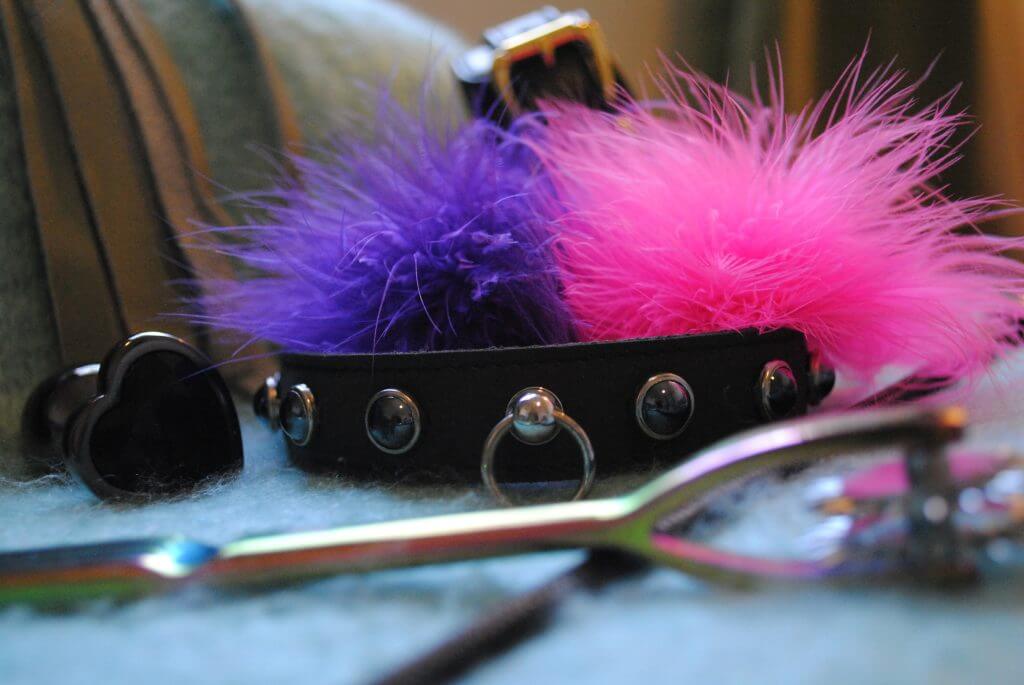
There’s a myth I often hear when I tell people I’m a Trauma and Sex Counsellor who specialises in BDSM and Kink counselling. It goes something like this: “If you’re into pain, it must be because of trauma”.

This isn’t always true. So, let’s clear this up.

Yes, some people explore kink and BDSM because of trauma in their past. And, some trauma survivors do find meaning, power, choice, and healing through this exploration. 

But that doesn’t mean all pain is linked to trauma.

In fact, in a consensual scene, one where safety, trust, and communication are rock solid, pain can be something else entirely.

It can bring connection to self, others and the world around us. And, it can be a way home to your body through pleasure.

Trauma and pain are not always the same thing

Trauma is pain that happens without your permission. It’s what gets left behind when someone crosses your boundaries, ignores your voice, or takes something from you without care.

Kink and BDSM are very different from trauma

Kink and BDSM are very different from trauma because you choose, you negotiate, and you decide what happens to your body. You get to say how far things go, and you decide when and where it ends.

There is a world of difference between pain that’s inflicted to control and pain that’s experienced with full control.

If you’ve been harmed before, that distinction is everything.

Pain as pleasure, sensation, and aliveness

When pain is safe, it can open us up to experience new depths of ourselves, our pleasure, and our connection with others. 

There’s science behind it. Your body releases endorphins, dopamine, and adrenaline, which can create a rush, a high, and a drop into deep calm. For some people, that’s the point. They want to get out of their heads and back into their bodies. 

For others, pleasurable pain cuts through the noise. It pulls them into the moment. For someone who dissociates or shuts down, that can feel like coming home.

And sometimes, it’s not that deep. It just feels good, and that’s enough of a reason.

But what if I like pain because of trauma?

Let’s not tiptoe around it: some people have trauma, and some explore kink and BDSM as part of that story. 

This doesn’t in any way mean BDSM is damaging. It means BDSM gives them something they didn’t have before, such as agency, clarity, and safety.

If you grew up walking on eggshells, exploring Kink might be the first place you get to set the rules. If you’ve had your privacy and space violated in the past, this might be the first place your no actually matters.

There’s a world of difference between pain inflicted to control you, and pain delivered in connection with you.

The difference is consent, care, and choice

In healthy BDSM and Kink dynamics, your consent is everything. If you say “red”, everything stops. If you say “orange”, your partner checks in. If you say nothing, they read your body, because they know you well enough to notice the shift in your breathing or the tension in your jaw.

Safe kink dynamics are built on negotiation, aftercare, ongoing communication, and deep, mutual respect.

Liking pain doesn’t mean you’re damaged

When we understand that BDSM and Kink can exist without trauma, we know that choosing kink doesn’t mean someone is unwell.

In fact, it often means that they know their body and what brings them into connection. 

Because, not all pain is trauma.

When it’s chosen with consent, awareness, deep respect, and trust, BDSM can be a powerful way to access self expression and healing.

Sexuality can be a scary thing to explore. Family ‘rules’ and social conditioning around who we are as sexual beings are unconscious and can drive the ways we are sexual. It sounds like an absolute minefield full of possibility, judgement, desire, shame, excitement, fear, exploration, and confusion.

If you would like a safe and non-judgemental space to explore these themes for yourself, please feel welcome to reach out.

How trauma affects memory: Explicit memory vs implicit memory

We don’t just remember trauma as a story, a timeline, or a series of facts. We remember trauma as sensory experiences, emotions, and body states.

When I sit with people who are processing trauma, we often talk about the experience of suddenly feeling tightness in the chest, a shortening of breath, tensing muscles, and a racing heart… like something bad is about to happen. When we seek to trace the feeling back to something specific in that moment, they often tell me, “There’s nothing wrong, so why do I feel like something bad just happened, or is about to happen?”.

This is when we talk about memory, and specifically, the impact trauma has on how we remember

First, how does memory work?

Our current understanding of how we form and store memories looks like this:

  1. Observation: We are always taking in the world around us through our senses: sight, sound, touch, taste, smell, interoception (internal sensory cues) and proprioception (our sense of ourselves in time and space).
  1. Encoding: The brain registers sensory information, along with the related thoughts and feelings.
  1. Storage: Some of this information is stored temporarily in short-term memory. Other pieces of information may be encoded into long-term memory.
  1. Retrieval: We can access explicit memories consciously (recalling a birthday party or a fact), or we can access implicit memories unconsciously (having an emotional response to a smell, song, or facial expression, or being able to drive home without consciously recalling the exact process).
  1. Reaction: When we retrieve memories, we can experience emotional, cognitive (thinking), or physiological responses. 

Our memory systems help us learn, adapt, and survive. They’re a bit like a filing cabinet for our life experiences, helping us to sort and organise events and learnings so we can recall them when required. 

But when we experience trauma, this process can be disrupted. The filing system gets interrupted, and we may experience less of what are called explicit memories and more implicit memories. 

So, what’s the difference between these types of memory? Let’s take a closer look.

What is explicit memory?

Explicit memory is what we usually think of when we think about memory. That is, a story, a timeline, or a series of facts you can recall, for example: what happened, where you were, and what was said. 

Explicit memories are:

  • Conscious: we know about something and we can talk about it
  • The details and imagery we recall to tell a story, or share knowledge and facts with others.

But when something traumatic happens (especially in childhood, or repeatedly over time), our memories don’t always get stored this way. 

When the brain is under threat, it doesn’t prioritise forming clean, coherent stories. It prioritises survival. 

“I don’t remember what happened…”

Many trauma survivors don’t have detailed memories of what occurred. There may be a sense that something wasn’t right, or they notice they feel afraid in certain situations, but the images and language to explain these noticings don’t arrive.

However, even when you can’t name the memory, you’re still living with the imprint.

And that’s where implicit memory comes in.

What is implicit memory?

Implicit memories are:

  • Mainly unconscious and hard to put into words
  • Involved in helping us ride a bike or drive a car without having to consciously think about it
  • After trauma, they are often experienced in the body (somatically) and can be triggered by our senses (smells, sights, or sounds), or a certain time of year, or anniversary. 

Our implicit memories can explain why you notice yourself flinching when someone raises their voice near you, or your muscles tighten when someone startles you. 

When your body responds with fear, shame, or panic in moments that don’t seem threatening to you or to others in that moment, it can be a sign that you are experiencing an implicit memory. 

Your nervous system isn’t necessarily responding to what’s happening now, but to what it’s learned to watch for. 

Because, the body keeps score, even when the mind doesn’t have the words.

Bessel van der Kolk, a psychiatrist and trauma researcher, suggests that trauma is primarily remembered not as a narrative or story, but as isolated sensory and emotional imprints. These imprints include images, sounds, smells, and physical sensations that are often accompanied by intense emotions like terror or helplessness. 

Why trauma memories don’t always form like other memories

When you experience overwhelming stress or threat, the brain deprioritises narrative memory. 

Instead, it focuses on survival: activating the fight, flight, freeze or fawn responses to help you fight or feel danger.

That means:

  • Parts of the brain responsible for language and storytelling (like the hippocampus and Broca’s area) go offline (temporarily), so the brain can prioritise immediate survival over conscious processing of the trauma
  • The trauma may not be stored in a clear, linear way, or may not be stored at all
  • What remains are the sensory warning signs, or emotional fragments that felt dangerous at the time

This is especially common in childhood trauma, where a child may not yet have the language or cognitive development to process what’s happening in real time.

Healing after trauma starts with the body

Because trauma is held implicitly, healing has to reach those implicit places.

Talk therapy can be powerful, but sometimes insight and cognitive understanding alone aren’t enough. You might understand exactly what happened, but your nervous system still responds like the threat is current and present. 

You might know in your mind that you’re safe, but your body doesn’t believe it yet.

That’s why trauma-informed approaches like somatic therapy, EMDR, and parts work are so important, not just in your thoughts. They create space to feel, process, and re-pattern at a pace that respects what your system has been through.

You don’t need to remember everything to begin healing. You only need a place to start.
And often, that starting place is through what you feel, not what you remember.

Memory reconsolidation for trauma recovery

Memory reconsolidation is the brain’s natural process of updating and reshaping emotional memories. When a memory is reactivated, in a safe, supportive environment, and paired with new emotional experiences, the brain has a chance to rewrite the meaning of that memory.

This means:

  • The emotional charge attached to the memory can reduce
  • The nervous system no longer reacts as though the threat is still present
  • The body can begin to feel safe again in the present moment.

Many trauma-informed therapies work by supporting this process, including:

  • Somatic experiencing: Helping the body complete survival responses that were interrupted
  • EMDR (Eye Movement Desensitisation and Reprocessing): Supporting traumatic memories to be accessed and reprocessed
  • Internal Family Systems (IFS) or parts work: Helping internal parts of us that hold pain or fear to feel seen, safe, and supported
  • Sensorimotor psychotherapy: Supporting the integration of somatic and emotional memory
  • Trauma-informed mindfulness: Increasing body awareness and present-moment safety

These approaches don’t force you to relive trauma. Instead, they invite the memory or feeling into awareness within a container of safety and support. 

You are not your trauma and healing is possible

If you’ve been living with the impact of trauma and implicit memories, I understand how confusing and exhausting this can be. Please know that these experiences, while part of your story, are not the whole story of who you are. 

With time, care, and trauma support, it’s possible to feel safe again, not just in your mind, but in your body too. 

Even if you don’t remember the details and facts, we can start with the memories your body holds. We can work with your emotions and sensations as a path to better understand your needs. 

If you would like support with processing implicit memories, please reach out. I’m here to walk with you. 

Hypersexuality, avoidance, dissociation: Why these are trauma responses and not ‘negative behaviours’

Ever done something intimate or sexual that you couldn’t explain, even to yourself?

Perhaps you slept with someone and felt hollow afterwards. Or found yourself pulling away just when a relationship started feeling emotionally close. Or maybe you’ve gone through the motions during sex or intimacy, while your mind drifted far away.

And maybe, afterwards, you felt ashamed. Confused. Disconnected from yourself.

Wondering: Why did I do that?

Or worse: What’s wrong with me?

Let’s be clear: nothing is wrong with you. These are trauma responses. Automatic, survival-oriented trauma responses.

Hypersexuality avoidance dissociation trauma responses understanding behaviours after trauma

When our survival responses get misunderstood

Hypersexuality. Avoidance. Dissociation.

These are often adaptive responses. They are your nervous system’s way of keeping you safe.

You didn’t choose these patterns because something is wrong with you.
Your body chose them because, at some point, something went wrong around you.

Because safety was compromised. Trust was broken. And intimacy became complicated, confusing, or even dangerous.

Maybe sex became a way to feel wanted. In control. Connected.
Maybe avoiding closeness felt like the only way to breathe.
Maybe your body stayed, but your mind had to leave, because staying present felt too overwhelming.

And if no one ever explained that to you before, I’m honoured to be the first.

When sex becomes survival: Understanding hypersexuality

After trauma, especially sexual trauma, some people find themselves seeking out sex not for connection, but for control, validation, or temporary relief.

This can feel confusing (or even bring up shame), especially in a culture quick to label behaviour as “promiscuous” or “reckless.” But what looks like hypersexuality on the outside is often a deeply intelligent survival strategy.

If sex was once the only way to feel seen, wanted, or powerful, it makes sense that your body returned to it, again and again. Not because you’re broken. But because it worked. For a moment, it quieted the pain. For a moment, you were in control.

Why you pull away, or check out completely: Understanding avoidance and dissociation

Avoidance and dissociation are two other common trauma responses that are often misread. You might shut down when things get emotionally close. You might say “I’m fine” while everything in you is screaming. You might even leave your body during sex or arguments or moments that feel too overwhelming to bear.

This isn’t you being cold, distant, or dramatic. It’s your nervous system doing what it learned to do: protect you.

When connection feels dangerous, avoidance keeps you at a safe distance. When sensation feels unbearable, dissociation takes you somewhere else.

The true story beneath the labels we are given

So often, people are labelled: too much, too cold, emotionally unavailable, addicted to attention, too sexual, not sexual enough.

But those labels tell only one part of the story, and rarely the part that matters most.

No one asked what your body was trying to protect you from.

No one wondered what survival strategy you’d had to perfect just to make it through.

Because that’s what these responses are. 

They are strategies. Adaptations. Intelligent nervous system decisions shaped by pain, shaped by fear, shaped by what your body learned about safety and danger.

The freeze-fracture of intimacy

For many trauma survivors, intimacy becomes the most loaded territory.

Our nervous systems carry memories, not just in thoughts and emotions, but in our bodies – in sensation, in held postures.

So when someone gets close, even when they’re kind, your body might brace. Shut down. Or go somewhere else entirely.

You’re not broken, you’re protected. Your body is prioritising protection over connection.

And while these responses might not feel helpful anymore, they were once the reason you made it through something challenging.

Reclaiming the narrative: sex after trauma

Healing begins when we stop judging the symptom and start listening to the story underneath it.

You don’t have to stay trapped in old patterns. But the path forward doesn’t begin with more willpower or more shame and blame. 

It begins with compassion. With understanding. With access to a felt sense of safety.

When your nervous system learns that you’re allowed to both have boundaries and be close…

That sex can be safe and connected…

That you can stay present in your body and still be okay…

Everything starts to shift.

You were never too much

If you’ve ever been called “too much” in bed, “too cold” in relationships, or “too detached” from your own body, this is for you:

  • You weren’t too much.
  • You were surviving.

And the labels they gave you? Those were never yours to carry.

Healing is possible after trauma

Your trauma responses make sense. Your body is not the enemy. It’s been on your side all along.

And now, if you’re ready, you can begin to gently unravel those old patterns.

Not by forcing yourself to change, but by learning what safety feels like, moment by moment, breath by breath.

Because, healing is possible. Not because you need to be fixed.

But because it’s possible to feel safe in your body again, in relationships again. And that matters a lot. 

Why you keep freezing in conflict and why it actually makes a lot of sense

If you’re grappling with this question of “Why do I keep freezing in conflict?”, this blog is for you.

You’re in the middle of a conversation that’s getting tense. Maybe it’s with a partner, a family member, or someone at work. Emotions are rising, you know what you want to say, but the words won’t come. Your mind goes blank. Your body tightens. You feel stuck, small, or numb.

Later, you might wonder: “Why didn’t I just say something? Why do I always freeze like that?”.

If this sounds familiar, you’re not alone. And you’re not broken.

Freezing in conflict is a nervous system response. And the more we understand the roots of this pattern, the more compassion we can offer ourselves, and the more we can begin to shift this pattern to stay present during tough conversations.

Freezing in conflict is about protection

Why do i freeze in arguments with my partner? freeze response and trauma

Many people associate trauma with fight or flight. But there’s another response that’s just as common, called the freeze response.

Freezing doesn’t mean you’re passive. It means your nervous system has detected too much, too fast, or not enough support. When there’s no clear escape or solution, your system might default to a kind of shutdown mode. 

A freeze response might look like:

  • Going blank or struggling to speak
  • Feeling suddenly numb or disconnected
  • Wanting to disappear or shrink away
  • Agreeing just to end the conversation or conflict.

This is an automatic nervous system response that happens whether the threat is currently present, perceived, or remembered. A freeze response is your body’s way of trying to keep you safe in a situation that feels unsafe or emotionally overwhelming. It does not mean it’s something you’re choosing to do, and, it doesn’t mean anything about your skills at communicating when not in a freeze response.

The past shows up in the present

Many survivors of relational trauma (especially trauma that happened in childhood) develop the freeze response as a default.

If you grew up in an environment where it wasn’t safe to speak up, show anger, or have boundaries, your system may have learned that going still or staying quiet was the safest thing to do. 

You may have internalised messages like:

  • It’s safer to stay quiet than to speak up – that only makes things worse
  • My needs don’t matter or it’s not safe to have needs
  • I’ll be punished if I speak up

These early patterns don’t disappear just because we’ve grown up. In moments of stress or conflict, the nervous system doesn’t always distinguish between then and now. Instead, it reacts to what feels familiar. 

That’s why even “small” conflicts can feel enormous to the body.

How to stop going blank during arguments

You’re not overreacting – your nervous system is trying to keep you safe

When we freeze in conflict, we often blame ourselves.

  • Why can’t I just get over it?
  • Why do I shut down?
  • Why can’t I communicate better?

But when we understand that these reactions are shaped by earlier experiences (often when no one listened, or we weren’t supported) it becomes easier to offer ourselves the one thing we needed back then: compassion.

Your nervous system is responding exactly as it was designed to, based on what it’s learned about safety. And the freeze response, while frustrating, isn’t random. In fact, it’s a deeply intelligent protector part of you, trying to help you survive.

So what can help to thaw the freeze response?

1. Name what’s happening

Instead of criticising yourself, I invite you to try noticing the signs of freezing: “I feel myself going numb right now”, or “My mind feels like it’s switched off”. Naming it can give you a bit of space and reduce shame.

2. Offer your body comfort first

Trying to think or talk your way out of a freeze often doesn’t work, because freeze happens beneath our thoughts or the story of what’s happening. Instead, try to support connection back with your body. One way to support your nervous system to shift out of freeze is with grounding practices, like placing your feet on the floor and noticing how the steady floor holds you, or holding something warm, or gently touching your arms.

3. Come back to connection slowly

Sometimes we need to take a break from the conversation or conflict, to regulate, before we can return. Let yourself move at your own pace. You don’t have to resolve everything in one conversation. Try setting a time to return to the conversation after some space to settle and process.

4. Practice safety, not pressure

The more you have experiences of safe, respectful conflict, where you’re allowed to have a voice, the more your nervous system will learn that it doesn’t need to shut down to be safe.

For example, imagine a moment with a trusted friend or partner where you gently name a boundary, like:

“I feel overwhelmed when we talk over each other. I need a moment to finish my thoughts.”

And they respond with understanding: “Okay, thanks for letting me know. I’ll try to slow down”.

That moment might seem small, but to your nervous system, it’s powerful. You spoke up, and it was okay to do so (nothing world-ending happened). Over time, moments like these help your body rewrite its old scripts about danger, and begin to trust that not every disagreement means you’ll be ignored, punished, or abandoned.

Learn how to feel safe during disagreements with your partner

You’re not broken, you’re learning how to feel safe again

Freezing in conflict doesn’t mean you’re avoidant or don’t have communication skills. It means your body is doing what it learned to do when safety wasn’t guaranteed.

The good news? You can unlearn this response. Not by forcing yourself to be different, but by gently helping your nervous system feel safe, supported, and seen.

You’re not too much. You’re not too sensitive.

You’re someone whose body remembers, and who’s learning, slowly and kindly, how to feel safe again.

If you found this blog helpful, I invite you to share it with someone who needs to hear this too.

Rebuilding a felt sense of safety in the body after sexual trauma

I recently had the opportunity to connect with What Were You Wearing Australia, a survivor-focused not-for-profit, who are on a mission to end sexual violence through advocacy, education, and awareness.

In the lead-up to our collaboration, I found myself reflecting on the meaning within that question: What were you wearing? Their name calls out one long-held and harmful stigma that leaves too many survivors questioning whether the clothes they wore could somehow explain what happened. As if their outfit, rather than the person who harmed them, was responsible for the harm they experienced. This perspective reinforces a deep and painful lie that many survivors already struggle with – that they should have done something differently. That they are in some way responsible for what happened.

Many survivors of sexual violence grapple with self-questioning and self-blame. And for some, that inner shame is compounded by something even harder to put into words: a lingering sense of disconnection from themselves.

You might be surviving day to day, doing what needs to be done. On the outside, everything seems fine. But inside, you feel numb. Detached. Flat. Not quite yourself.

This is where we begin to understand something called functional freeze – a protective nervous system response that can emerge after sexual trauma. We explore functional freeze in this blog: Functional Freeze and Sexual Trauma.

In this post, we’re going to focus on what comes next: how to begin rebuilding a felt sense of safety in your body after trauma. Not by forcing it, but by learning how to gently come home to yourself, one small step at a time.

A brief recap: Why does functional freeze happen after sexual trauma?

How to move out of functional freeze and reconnect with your body after sexual trauma

Functional freeze is a survival response. It happens when your nervous system, overwhelmed by extreme stress or unresolved trauma, freezes internally, while maintaining outward functioning. 

From the outside, you might look like you’re coping: going to work, caring for others, getting through the day. But inside, you might feel distant. Like you’re going through the motions, but not really here.

You might describe it as numbness. Or emptiness.
Like your emotions are muted, or your needs don’t register.
Like it’s hard to know what you want, or even to care as you normally would.

Unlike the fight or flight responses, which prepare you for action (fleeing or fighting the source of danger), freeze is about survival through stillness, and through emotional and psychological distance. It’s the body’s way of protecting itself when something is too much, or there is no option for escape.

Functional freeze can look like:

  • Ongoing struggles with intimacy, even in safe relationships
  • Feeling distant from your own emotions and/or body
  • Experiencing guilt for your body’s response to trauma
  • Feeling like you’re living on autopilot as you go through your daily life.

It’s really important to know that this response isn’t your fault, or something you’re choosing – it’s an automatic survival strategy your body is hardwired to take in times of immense stress or threat to safety. 

And, if you’re feeling stuck in a functional freeze, please know this is something we can support and heal, through trauma-informed therapy and nervous system care.

Why feeling safe in your body can be so hard after trauma

Sexual trauma doesn’t just leave emotional wounds, it can fracture our sense of safety at the deepest levels. Even long after the event, the body may hold the imprint of the trauma, keeping us in a state of hypervigilance, disconnect, or complete shutdown.

You might know, logically, that you’re safe now. But your body might not feel that way yet.

This isn’t because you’re doing something wrong. It’s because trauma lives in the body as well as the mind, and so, healing needs to include the body, too.

The difference between being safe and feeling safe

You can be physically safe and still feel unsafe. This is one of the most frustrating parts of recovery for many survivors.

Feeling safe isn’t something we can think ourselves into. It’s something our body and brain need to experience. 

Imagine you’re faced with a wild animal and you need to make quick decisions about how to protect yourself. Your body instantly assesses the threat and prepares you for survival (whether that’s to fight, flee, freeze, or fawn). Now imagine that, while your nervous system is still on high alert, you try to tell your mind: “It’ll be okay”, or “you’re overreacting”, or “this animal isn’t really a threat to me”. 

Even if the threat is not as high as initially thought and you are safe, it can take the body time to believe it. Time to process the stress and the experience of danger. While your body is still in survival mode, scanning for danger, no amount of rational thinking will make your muscles unclench or your breath deepen.

It’s like telling someone who’s sprinting away from danger to “just relax”. They’ll only start to slow down once they know, in their body, that the danger has passed.

This is what it can feel like to live with unresolved trauma. Even when the danger is long past, your nervous system might still be responding as if it’s happening right now. The body remembers, not just the event itself, but the felt sense of fear, helplessness, or overwhelm that came with it. 

That’s why the mind alone can’t talk you into feeling safe again. When your system has learned that the world isn’t always safe, or that closeness, touch, or trust can lead to harm, it will take time to restore a felt sense of safety. Your body is doing its best to protect you with the tools it learned at the time. But healing happens when we begin to offer the body new experiences: moments of safety, of support, of softness, so it can learn that it’s safe now.

Small steps to rebuild safety

When trauma has disrupted your connection to your body, rebuilding it can feel like an overwhelming task. That’s why it’s so important to start small, to move at your own pace.

Here are a few gentle, body-based ways to begin:

1. Orienting to safety: Look around the space you’re in. Notice five things you can see around you that reconnect you with this present moment. Maybe you can see outside to the trees and flowers, perhaps you can see an animal, or a fluffy blanket, a favourite book, or painting. Remind yourself that you are here now, in this moment. This helps your nervous system register the present, rather than the past.

2. Connecting with your senses: Pick one sense and gently explore it. Hold a warm mug, run your hands under cool water, or notice the sounds around you. These small actions can help you feel more grounded and present in this moment, right now.

3. Movement that feels good: Trauma can make it feel hard to move, or like you’re not allowed to take up space. But movement, when it’s safe and supportive, can help reawaken your body. This could mean stretching in bed, swaying to music, or taking a walk outside.

4. Breath awareness: Try gently bringing your attention to your breath. Not to control it, but to notice it. Maybe placing one hand on your chest and one on your belly. Even a few slow breaths can help your body find a little bit of release from tension or stress.

5. Listening to your “yes” and your “no”: Rebuilding safety also means reconnecting with your boundaries. Practice tuning into what feels okay, and what doesn’t. It’s okay to say no. It’s okay to pause. Listening to your body’s signals and setting your boundaries is a powerful act of reclaiming trust.

It’s okay (and important) to take your time

Healing doesn’t happen overnight. And it doesn’t happen by pushing yourself into places that don’t feel safe yet.

Some days, you might feel more connected. Other days, you might feel shut down again. That’s okay. It’s all part of the process.

What matters is that you keep gently showing up for yourself. That you offer your body the kindness and patience it needs.

You’re not alone in this

If you’re feeling disconnected from your body, please know: you’re not alone. So many survivors experience this. It doesn’t mean you’re broken. It means your body found a way to protect you, and now, you’re learning how to feel safe again.

Rebuilding that sense of safety takes time, tenderness, and support. You don’t have to do it all on your own. And you don’t have to rush.

You can once again feel at home in your body. You can feel safe again. One small step at a time, it’s possible.

Women struggle to initiate sex. Men struggle to stop watching porn. What if we were all just set up?

Sex is a topic that, for many of us, brings up some discomfort and vulnerability. When difficulties with sex happen in our relationships, we’re often left feeling like the problem is personal, rather than recognising the bigger forces at play.

If you’ve ever felt like something was fundamentally wrong with you because of how you relate to sex and intimacy, you’re not alone. Maybe you freeze when it comes to initiating sex, even though you want connection. Maybe you keep turning to porn, even though it’s affecting your intimacy. These aren’t personal failings. They’re patterns – patterns that were set up long before you had the chance to choose otherwise.

The messages we learn about sex

Let’s talk about conditioning. Those assigned female at birth tend to be taught from an early age to be desirable but not desiring. We’re told to be sexy but not ‘too much’, to please but not to ask for what we want. Sexual agency? That was never part of the script. So, when it comes to initiating, many women freeze – not because they don’t want sex, but because their nervous system equates their female desire with danger, rejection, shame, or confusion.

Males, on the other hand, are often conditioned from a young age to be in control, always ‘on,’ and to see emotional vulnerability as weakness. Many boys don’t get real conversations about intimacy, just a flood of unrealistic depictions in porn. So they turn to it, for pleasure, for comfort, stress relief, or even a sense of safety. 

And then they’re shamed for it, told they should ‘just stop’ without ever being given the tools to actually do so.

Neither of these struggles are random. They’re trauma responses.

Trauma responses in disguise

Freezing instead of initiating? That’s a nervous system response. If past experiences taught your body that expressing desire isn’t safe, you’ll shut down before you even realise what’s happening. Learn more about the freeze state and sexual trauma.

Compulsively turning to porn? That’s another nervous system response. When stress, shame, or loneliness build up, your body reaches for the fastest way to regulate. And for many men, porn has been wired in as the easiest (although temporary) escape.

As you read this, I want you to know that this isn’t about pointing fingers or placing blame. It’s about recognising that these struggles with intimacy don’t stem from ‘not trying hard enough’. They stem from the ways we’ve been set up by culture, conditioning, and our automatic nervous system survival strategies.

So, what now? How do we have better sex lives?

If this resonates, the answer to more connected sex lives and relationships isn’t shame. The answer comes from being curious about our sexual conditioning. 

What if, instead of beating yourself up for not initiating, you got curious about what your body is trying to protect you from? What if healing isn’t about forcing yourself to stop turning to porn, but first understanding where the pattern came from and what need it is meeting?

Some questions to ask yourself include:

Where did I learn this? 

What beliefs am I carrying that aren’t really mine? 

What does safety feel like for me?

This is where real change happens, not through self-judgement, but through recognising that these patterns make sense. And once they make sense, they can shift.

Because intimacy (real, connected, deeply desired intimacy) was never supposed to be about performance. It’s really about presence, safety, and reclaiming what was always yours.

Here are some ways to start moving toward a sex life that feels more connected, less pressured, and truly yours

Having an enjoyable sex life explore with sex and trauma counsellor kellie sheldon

Notice the barriers to sex, without judgement

Instead of blaming yourself for feeling stuck, start by noticing what’s coming up. Do you feel disconnected? Pressured? Do you shut down or avoid intimacy altogether? Bringing gentle awareness to these patterns (without forcing yourself to ‘fix’ them) is the first step in shifting them.

Get to know your nervous system

Your body plays a huge role in intimacy. If you’re feeling anxious or frozen, try grounding yourself in the present moment. Press your feet into the floor, take slow breaths, or focus on a comforting touch (like holding your own hand or noticing the feeling of a soft blanket). These actions can help signal to your nervous system that you’re safe.

Unpack what desire and connection mean to you

If you’ve been taught that desire should always be spontaneous or that sex has to happen a certain way, it might be time to question those beliefs. What if intimacy could be more about exploration and less about expectation? 

Sex therapy can help shift deeply held patterns and beliefs about sex

Having the space to explore these patterns with someone who gets it, without judgement, without pressure) can help us to unpack and learn more about our relationship with sex and intimacy. 

These struggles aren’t just about the mind, they’re stored in the body, shaped by past experiences, and reinforced by cultural messaging. 

Working with a sex and trauma therapist who understands intimacy, trauma, and the nervous system can help you move from frustration to connection. 

Whether it’s through exploring underlying beliefs, somatic work, or therapies like EMDR, counselling can offer the space to unlearn what isn’t serving you and rebuild intimacy in a way that feels safe and fulfilling.

Because at the end of the day, intimacy isn’t about checking a box, it’s about feeling fully present in your own experience, on your own terms.

Hi, I’m Kellie, the principal therapist here at our practice. We specialise in helping people make sense of what they’re feeling – especially when those feelings don’t quite add up or feel too heavy to carry alone. Our approach is grounded, trauma-informed, and a little different to your standard talk therapy. Whether you’re untangling old relationship patterns, exploring sexual concerns, or trying to understand emotions that seem too big or shut down – we’re here to walk with you through it. At the heart of what we do is this: helping you feel less stuck, more understood, and gently hopeful about what’s possible next.

You’re not alone in this – and you don’t have to figure it all out by yourself anymore.

If you’re ready to explore this with support, I offer trauma and sex therapy online Australia-wide and in-person in Midland, Perth, WA. 

Book An Appointment

Why You’re Feeling Stuck.

You’re going about your daily life. You’re surviving, not thriving. You get up, go to work, and your relationships are okay—but nothing to write home about. You wonder where the passion you felt as a child went. You just feel off.

Your partner wants to have a hard conversation, but you automatically see it as conflict and will do anything to avoid an argument. You don’t like asking for help—it makes you feel like a burden, yet people often offer to help.

These behaviours and patterns don’t come from anywhere. They’re the echoes of childhood wounds and traumas. Your child parts are stuck, even though you are now 30 years older.

Childhood wounds and trauma aren’t just about the big things – abuse, neglect, or extreme hardship. They can also be the subtle, everyday moments that taught you life just isn’t safe – and your nervous system agreed.

Think back – what were your parents like? Were they emotionally connected? When you needed them, could you talk to them and know how they would react? Did they tell you they loved you and were proud of you? Did you feel like you mattered, that your needs mattered?

Maybe you had to earn love by being a good child all the time. If you weren’t, they wouldn’t talk to you, leaving you walking on eggshells. You just never knew which version of your parents you would get.

Under a ‘parts’ model or framework (IFS, ego states, schema therapy), the part of us that experienced these wounds gets stuck at the age they happened. From the clients I work with, the average age is pre-verbal, around seven or eight, and then again in early adolescence.

These parts are not able to mature into adulthood because they don’t realise you have grown up. They believe you are still that child, living in the past—and back then, they learned all these brilliant skills to keep you safe or safe enough.

You struggle with emotional regulation.

You know they’re driving the bus when you react quickly or out of proportion. You may find yourself unable to express yourself, feeling out of your body and dissociating, or feeling numb. These child parts carry a belief system that says, I’m not worthy. I am unlovable. I don’t deserve good things.

In today’s language, we’d say our emotional regulation skills are lacking, and we have poor self-esteem. You might find yourself binge-watching TV, doom-scrolling, overeating, drinking, overworking, or avoiding relationships and events.

You have trouble setting (or respecting) boundaries.

Someone tells you no, and you instantly feel guilty. Children who grew up with caregivers who didn’t respect their privacy or autonomy often struggle with boundaries. Maybe they made you feel guilty for not doing what they wanted, even when your entire body screamed no.

Now, as an adult, you feel as though everything is your fault, and you have to fix people’s emotions. You say yes, even when you desperately want to say no. Every decision is based on the fear that people will leave if you disappoint them.

You may also struggle to hear your partner’s or friends’ boundaries. Taking control – both now and in childhood – made life less anxious.

Your relationships feel like a rollercoaster.

Have you ever noticed how some relationships make you either recoil into yourself or act in ways you’d consider crazy and needy? Maybe you become overly attached quickly, then suddenly feel distant. Maybe you are so scared people will leave that you do everything to keep them close – even when they’re telling you they feel suffocated. Maybe one day, you woke up and realised your partner mirrors the same relationship dynamics you had as a child.

This isn’t random. We recreate familiar patterns, even when they hurt us. If walking on eggshells was normal for you as a child – if doing that meant you were loved – your nervous system will mistake anxiety for connection.

You’re fiercely independent or ‘codependent.’ I’ve written codependent that way because, under an attachment framework, the term is a myth. Humans need attachment to feel safe and explore the world. We weren’t meant to walk through life alone.

People often describe “codependent” individuals as needy, afraid to do things alone, or overly reliant on others. But what’s really driving that behaviour is anxiety – the fear that someone will leave. It’s not that you can’t do things alone. It’s that your nervous system has been wired to fear abandonment.

The flip side of that is hyper-independence. If you insist on doing everything yourself, you likely learned that you had to. No one was around to help you as a child. Your caregivers may have been absent, dismissive, or unpredictable.

Being self-sufficient is a great skill, but when it comes from survival, it can be lonely, exhausting, and isolating.

You struggle with self-worth.

If childhood taught you that love was conditional – based on how well you behaved, the grades you got, or how much you pleased others – then it makes sense that your self-worth now feels shaky.

You probably feel like you’ll never be enough, no matter how much you achieve. You carry deep shame. You shrink when someone gives you a compliment.

Your childhood experiences shaped your internal world – how you see and talk to yourself. If love felt scarce, your nervous system learned that you had to earn your place in people’s lives.

But you were always enough. You are enough.

So, What Can You Do About It?

Recognising these patterns is the first step.

Your reactions and behaviours don’t happen by choice – remember, that child part is still driving the bus. Next time you feel triggered, stop and breathe. Ask yourself, What does this feeling remind me of? Is this feeling from today or an old wound?

Let yourself feel compassion for those parts of you—they’re just trying to protect you from perceived danger.

Try challenging your thought patterns. The stories you carry from childhood might be true—but often, they’re not. What’s not true is the belief that your worth is tied to how others treated you.

Next time your mind spirals, ask yourself, Who would I be without this belief? Would I let a friend talk about themselves this way?

Your parts can hear you when you speak to them. Let them know they don’t have to hold onto this anymore.

Take a breath and ask for help. Healing happens in relationships – just as childhood wounds were formed in them. Therapy (especially parts work and EMDR) can help you talk to your inner child parts, working with and releasing the emotions stored in your body, and rewire the way you see yourself and your relationships.

It’s talk therapy – but different. It’s a deeper conversation with yourself.

Final Thoughts

We heal from childhood trauma by bringing the past into the present. It shapes how we feel, relate, and move through life. Recognising these patterns is an invitation – to understand yourself more, rewrite old stories, and remove shame that isn’t yours.

You can choose to live unstuck.

If you’re ready to explore where these stories began, reach out. I’d love to work with you – or simply answer your questions.

Functional Freeze and Sexual Trauma

Functional Freeze and Sexual Trauma

Imagine standing on a path you want to walk so badly, but every time you try to step forward, you just… can’t. You know where you want to go, but it feels like something inside you freezes up, leaving you stuck. This experience, called “functional freeze,” is actually a survival response. And when it shows up in your sex life, it can make intimacy feel out of reach, even if you really want that closeness.

We’re going to break down what functional freeze is, why it’s so common for people who’ve experienced sexual trauma, and how it can be a confusing and frustrating barrier to intimacy. We’ll talk about why this freeze response doesn’t mean there’s anything wrong with you, and we’ll walk through some steps that can help you start to feel more at ease with yourself and with your partner.

What is functional freeze?

To get a sense of functional freeze, picture a deer caught in headlights. When something terrifying happens, like a car suddenly appearing, the deer freezes to survive. Humans do something similar when we face overwhelming situations, especially if we feel like we can’t fight or run away.

Functional freeze isn’t usually a total paralysis, though. It’s often more subtle. You might feel like you’re going through the motions but not fully “there,” like you’re on autopilot or stuck in a fog. This state can be tough to notice, and it’s even harder to recognise if you don’t know what to look for. For survivors of sexual trauma, this freeze response can become a default setting—something that kicks in without warning, even years after the trauma.

Why does this happen with sexual trauma?

The freeze response is a smart, protective reaction. When someone experiences sexual trauma, they’re often in a situation where they feel trapped or powerless, and freezing becomes the safest option. The body might tense up and shut down as a way to cope with the overwhelming experience.

The challenge is that the body remembers. This response doesn’t disappear once the trauma is over; it sticks around, showing up in ways that can make intimacy feel scary, even in safe situations. So, during intimate moments, that same freeze response can be triggered all over again.

When the freeze response kicked in..

Meet Emily. In her early thirties, smart and successful, with a loving partner and friends, Emily seemed to have it all. But in her relationship, she felt a growing disconnect. She wanted to be close to her partner, but every time they got intimate, it was like an invisible wall went up. She’d go through the motions, but a part of her wasn’t present.

At first, Emily thought something was wrong with her, and she tried to push through it, hoping to “fix” herself. But the harder she pushed, the worse it got. Then, one day, her partner gently asked, “Are you really here with me?” And that’s when she realised – she wasn’t. Some part of her was miles away, shut down in a way she didn’t fully understand.

Emily’s body was protecting her, even if she didn’t know why. This was her functional freeze – a reaction her body had learned during a time when she’d felt powerless. Now, it was still showing up, keeping her safe from intimacy that her body saw as risky.

The science behind the freeze response.

Our nervous systems are built to protect us. When we go through trauma, the brain stores that experience as a memory that lives in both the mind and body. This memory isn’t passive – it’s connected to our nervous system, ready to react if we encounter anything that feels remotely similar to the trauma.

For people who’ve been through sexual trauma, intimate moments can trigger that same survival response. The body and brain recognise certain elements – closeness, touch, vulnerability – and before you even realise it, the “freeze” button gets pressed.

It’s also important to know that functional freeze isn’t just in your head. It can show up in your body, too, with symptoms like muscle tension, shallow breathing, or even numbness.

Why you’re not broken

One of the hardest parts of dealing with functional freeze is the self-blame that often comes with it. It’s easy to think, Why can’t I just relax? What’s wrong with me?

Reality is nothing is broken. Your body and mind are just doing what they’ve learned to do. Freezing helped you survive, and now your body is trying to keep you safe the same way.

This response isn’t about “getting over” the past. It’s about understanding that the past is still part of you and that your body learned something essential about safety. Your body’s main goal? Keeping you alive and safe.

Steps to thaw the freeze

If functional freeze feels like a constant presence, know that there are ways to start shifting out of it. It’s a slow, gentle process that takes time, but here are some steps that might help you begin:

Notice the Freeze Without Judgment

The first step is to recognise when the freeze response shows up. Instead of getting frustrated or forcing yourself to “snap out of it,” try just observing. Is there tension in your body? Do you feel numb? Are you zoning out? Bringing awareness to these signs can help you recognise when your body is entering freeze mode.

Ground Yourself

When you notice the freeze, grounding techniques can help bring you back. Try pressing your feet into the ground, squeezing something in your hands, or focusing on an object in the room. This can help remind your body that you’re safe right now, in the present moment.

Connect with the Parts of You That Are Protecting You

In therapy, especially in “parts” work, there’s a focus on different parts of ourselves. You might have a protector part that triggers the freeze response when things feel too close for comfort. Recognising this part can help you see that it’s not trying to sabotage intimacy – it’s just trying to keep you safe.

Imagine this part as a friend who steps in when you’re vulnerable. Instead of pushing it away, you might say, “Thank you for protecting me, but I want to try something different.” This can be a powerful way to understand the freeze response instead of battling it.

Try Small Steps Towards Safety

Moving out of freeze takes time, and that’s okay. If intimacy feels too big to handle, start with smaller actions that build a sense of connection and safety. This could be as simple as sitting together without any pressure or focusing on non-sexual touch. Let your body relearn that it’s okay to experience closeness without needing to freeze.

Therapy Can Be A Game Changer

Therapies like Eye Movement Desensitisation and Reprocessing (EMDR <– click to read more) and somatic therapy can make a big difference. These approaches help process trauma and teach your body that it’s safe in the present moment. EMDR works to reduce the power of traumatic memories, while somatic therapy connects mind and body to build a new sense of safety. Working with a trauma-informed therapist can be incredibly helpful.

You’re not alone in this

If you’re feeling stuck in functional freeze, remember: you’re not alone. Many people are walking this same path. Healing doesn’t happen in a straight line – it’s more like a winding road, and it’s perfectly okay to go at your own pace.

Intimacy after trauma is one of the toughest challenges, but with patience, understanding, and support, it’s possible to find a way through. You’re not broken, and you’re not failing. You’re just learning how to feel safe again.

Why Trauma Makes It Hard to Say No?

It’s hard to say no, especially when it comes to intimate relationships. If you’ve gone through trauma, you may feel like you’re always saying yes, even when you want to say no. Trauma can make setting boundaries feel impossible. But it doesn’t have to stay this way.

Let’s talk about why trauma makes it hard to say no, the impact it has on your relationships, and how to start reclaiming your boundaries.

Why Does Trauma Make It Hard to Say No?

Trauma changes how your brain reacts to threats. If you’ve experienced sexual trauma or abuse, your brain might have learned to freeze when you feel unsafe. This is your body’s way of protecting you. During trauma, freezing is a survival mechanism. But this survival response can stay with you long after the trauma ends.

You might notice this reaction when you’re in situations that remind you of your trauma. You freeze, you say yes, even though every part of you is screaming no. This is normal. It’s your brain trying to keep you safe, but in the wrong way.

Guilt, Fear, and the Need to Please

Many people with trauma also struggle with feelings of guilt or fear. You might feel like you owe someone your time, attention, or even your body. Guilt can make it seem like saying no will hurt someone, or make them stop loving you. This feeling is rooted in trauma and past experiences where your needs were ignored.

Saying yes when you don’t want to can come from a deep desire to please others. Trauma survivors often have a hard time separating their own needs from the needs of others. This is especially true if your trauma involved a violation of your boundaries.

The Impact on Your Relationships

Saying yes when you really want to say no can wear you down over time. It can create feelings of resentment, exhaustion, and emotional distance in relationships. The more you push aside your own needs, the more disconnected you may feel—not just from your partner, but from yourself.

This emotional distance can also make intimacy harder. If you’re constantly giving in without considering your own desires, it can feel like you’re going through the motions instead of being present. Over time, this can harm your relationships, creating an imbalance where your needs are overlooked.

How Therapy Can Help You Reclaim Your Boundaries

Smaller

One of the most effective ways to start setting boundaries again is through trauma-informed therapy. Therapies such as EMDR (Eye Movement Desensitisation and Reprocessing) and parts work can be particularly helpful for survivors of trauma.


EMDR helps you reprocess traumatic memories in a way that allows your brain to recognise that the danger has passed. This can help reduce the freeze response and make it easier for you to assert yourself when needed.


Parts work allows you to explore the different parts of yourself that might still be holding onto fear, guilt, or the need to please others. By working through these parts, you can begin to restore balance and give each part of yourself the space to be heard.

Practical Steps to Start Reclaiming Your Boundaries

While therapy is a powerful tool, there are also small, practical steps you can begin taking today to reclaim your boundaries.

1. Listen to Your Body

Your body often knows when something feels off before your mind catches up. Pay attention to physical sensations like a tight chest, a knot in your stomach, or a sense of unease. These are signals from your body that something isn’t right.

2. Start with Small Nos

You don’t have to start with big boundary-setting right away. Practice saying no in small, low-pressure situations. For example, turn down a social event you don’t want to attend or say no to a request that feels unnecessary. This helps build your confidence.

3. Use Clear, Direct Language

When setting boundaries, focus on using “I” statements, like “I feel uncomfortable,” or “I need some space.” This keeps the focus on your own experience rather than accusing or blaming others, which can help reduce conflict.

4. Give Yourself Permission to Pause

If you’re unsure how to respond in a moment, it’s okay to pause. Say something like, “I need to think about that” or “Can we talk about this later?” This buys you time to check in with your feelings and figure out what you really want.

5. Build a Support System

Healing from trauma is a process, and you don’t have to do it alone. Surround yourself with people who respect your boundaries and are willing to support your healing process. Whether it’s a trusted friend, a therapist, or a support group, having a safe space to turn to can help you practice setting boundaries in real life.

Moving Forward

Reclaiming your boundaries after trauma isn’t easy, but it’s essential for your well-being. Start with small steps, listen to your body, and seek support where needed. Healing doesn’t mean always getting it right—it means learning, growing, and giving yourself the space to feel in control again.

If you’re finding it hard to set boundaries or struggling with feelings of guilt and fear, reaching out to a trauma-informed therapist could be the next step. They can help you navigate your healing process and empower you to reclaim your boundaries, bit by bit.

Let me know if you’d like to book a session or learn more about trauma-informed therapies like EMDR or parts work. You don’t have to go through this alone.